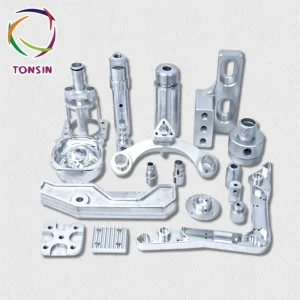
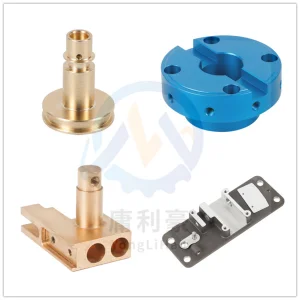
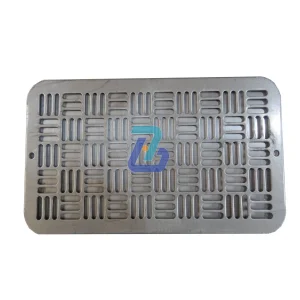
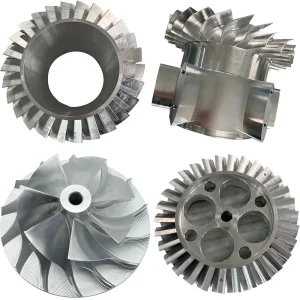
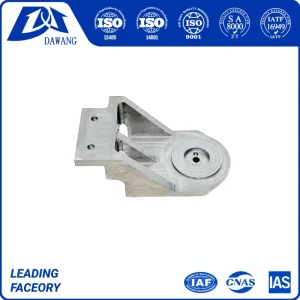
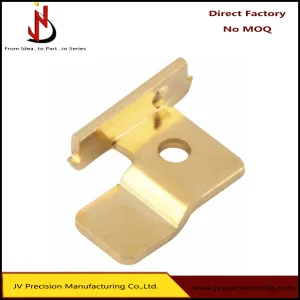
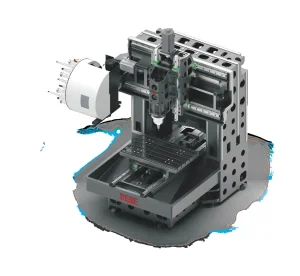
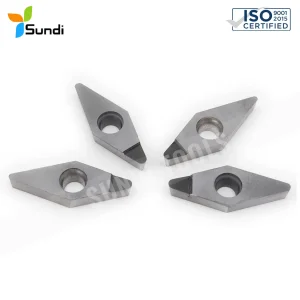
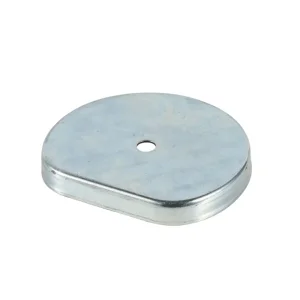
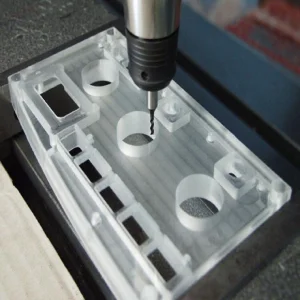
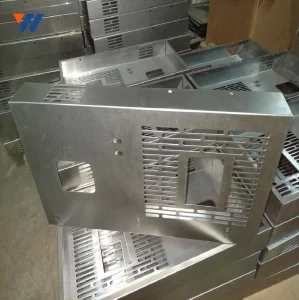
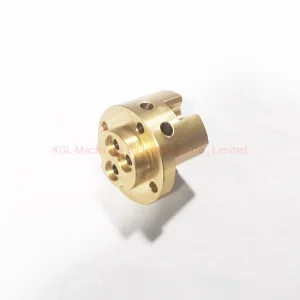
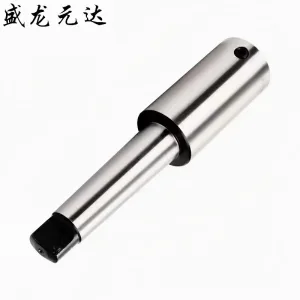
Explore our tier-one CNC turned, milled, and custom-fabricated metal solutions manufactured under strict tolerances.
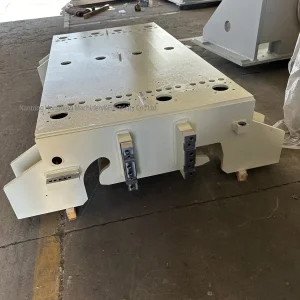
Guangzhou Nuplanta CNC Co., Ltd. is a professional CNC Machining Service Manufacturer specializing in precision CNC milling, CNC turning, and comprehensive machining solutions for global customers. Located in Guangzhou, China, the company is committed to delivering high-quality, cost-effective, and reliable machining services for a wide range of industries, including automotive, aerospace, electronics, medical devices, machinery, and industrial equipment.
With advanced CNC equipment and a skilled engineering team, Nuplanta CNC is capable of handling complex geometries, tight tolerances, and high-volume production requirements. The company utilizes state-of-the-art machining centers and strict quality control systems to ensure consistent accuracy, excellent surface finish, and stable product performance. From prototyping to mass production, every process is carefully managed to meet international quality standards.
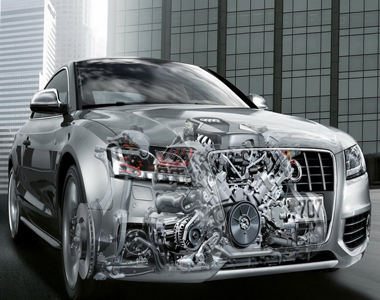
Guangzhou Nuplanta CNC Co., Ltd. also provides customized OEM and ODM services, working closely with clients to develop tailored machining solutions based on specific drawings, materials, and application requirements. Its experienced technical team supports customers throughout the entire process, from design optimization to final delivery.
With a strong focus on innovation, efficiency, and customer satisfaction, Nuplanta CNC continues to expand its global presence, striving to be a trusted partner in precision CNC machining and advanced manufacturing solutions worldwide.
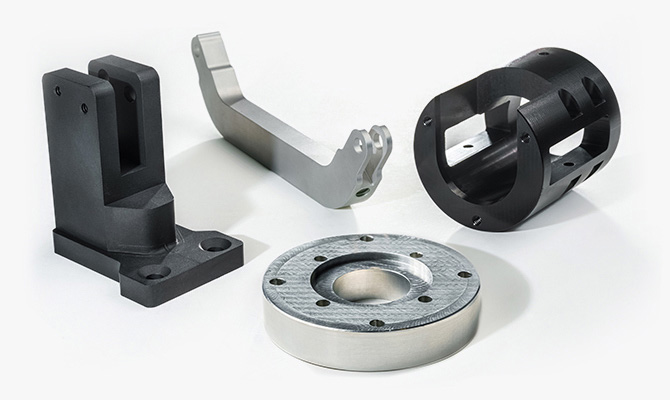
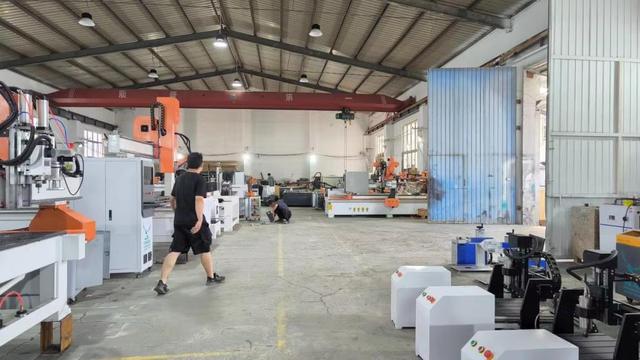
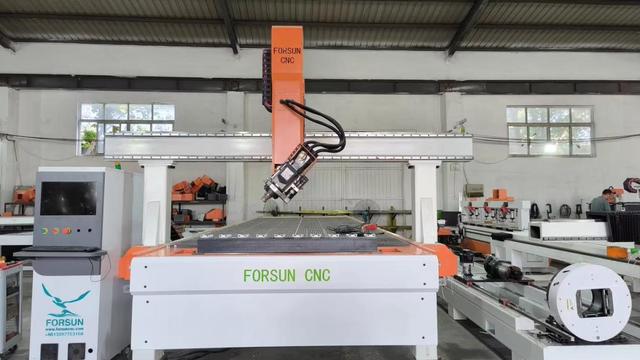
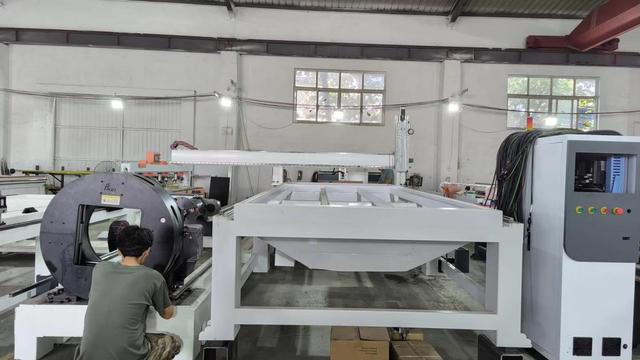
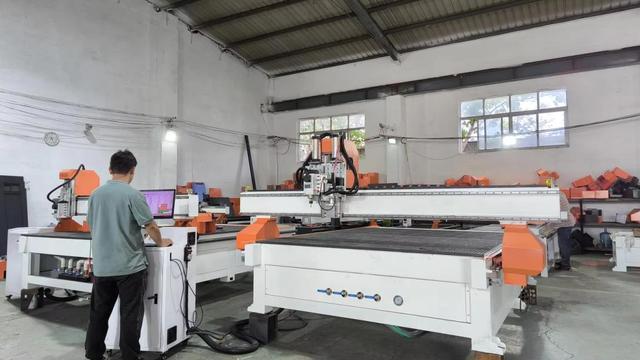
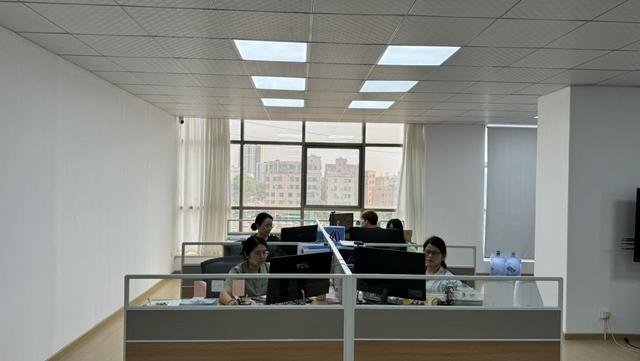
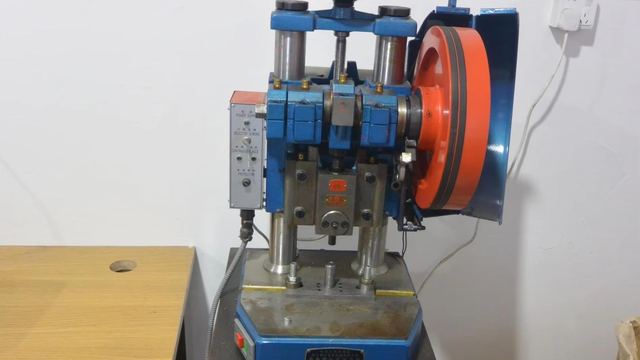
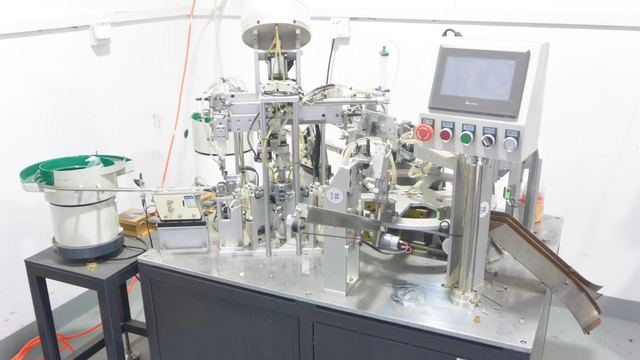
In modern precision engineering, the boundaries between standalone CNC turning and CNC milling have dissolved. The emergence of multi-axis, multi-spindle Mill-Turn Centers (often referred to as 9-axis mill-turn centers) has ushered in an era of single-setup manufacturing. Traditionally, complex cylindrical parts required turning on a lathe, followed by manual transfer to a secondary vertical machining center (VMC) for milling cross-holes, flats, or complex cavities. This transition introduced setup errors, concentricity deviations, and prolonged production lead times.
Nuplanta CNC utilizes advanced synchronization of live tooling and main/sub-spindle geometries. This technological paradigm allows for simultaneous machining of symmetrical and asymmetrical geometries. Features like eccentric turn-milling, helical interpolation, and deep axial boring are completed in a singular operational cycle. The result is a substantial reduction in geometric error stacking (GD&T deviation) and an increase in dynamic balance stability—critical parameters for high-performance automotive and aerospace rotary components.
Industrial procurers and OEM engineers face complex trade-offs when identifying a CNC supplier in China. Sourcing goes far beyond unit cost. Professional buyers calculate the Total Cost of Ownership (TCO), which includes quality assurance safeguards, structural reliability, design-for-manufacturing (DFMA) feedback, compliance frameworks, and logistics transparency.
Ensuring dimensional stability under heavy thermal cycles. Our machinery works with thermal growth compensation systems to stabilize tolerances down to ±0.005mm across batch production runs.
Guaranteeing raw materials match specified chemical properties via Positive Material Identification (PMI) and mill run certifications, eliminating counterfeit or subpar metals.
Mitigating geopolitical risk through absolute transparency, digital ERP integrations, raw material safety stocks, and rapid prototyping services that bridge product development gaps.
Different structural alloys respond uniquely to shear stresses, chip formation, and heat generation during CNC lathe turning. Achieving precision requires selecting the correct carbide grades, coating types, and tool geometries. Below, we examine the behavior of primary engineering metals within our facilities:
| Material Class | Common Grades | Machinability Index | Primary Challenges | Nuplanta Process Countermeasures |
|---|---|---|---|---|
| Aluminum Alloys | 6061-T6, 7075-T6, 2024 | High (70% to 180%) | Built-up edge (BUE), chip control, elastic recovery. | High-rake polished insert geometry, high-pressure through-spindle coolant, rapid chip evacuator. |
| Stainless Steel | SS304, SS316L, 17-4 PH | Moderate (30% to 50%) | Work hardening, high cutting force, intense thermal generation. | AlTiN coated solid carbide tooling, lower cutting speeds, high feed rates to bypass hardened layers. |
| Titanium Alloys | Ti-6Al-4V (Grade 5), Grade 2 | Low (15% to 25%) | Chemical reactivity, low modulus of elasticity, thermal stress. | High-pressure flood coolant, rigid mechanical clamping, PCD / specialized carbide insert grades. |
| Copper Alloys / Brass | C36000 (Free-cutting), Bronze | Excellent (100% to 150%) | Burr generation, soft deformation in brass plating. | Ultra-sharp positive insert angles, dynamic deburring routines in cycle, surface protection. |
| Magnesium Alloys | AZ31B, AZ91D | High (with risks) | Flammability of chips, structural safety protocols. | Dedicated explosive dust-safety systems, non-water-based synthetic coolants, strict tool path monitoring. |
The shift to high-voltage electric vehicle platforms has introduced new demands for turned parts. High rotational velocities (up to 20,000 RPM) of EV rotor shafts demand extreme runout accuracies (under 0.005mm) to prevent vibration and bearing fatigue. Additionally, components like connectors, charging pins, and sensor housings require excellent electrical conductivity and corrosion resistance. Our multi-spindle Swiss lathes produce highly complex copper contact pins and thin-walled aluminum housings with automated post-process verification.
Aerospace parts must handle harsh conditions while remaining as lightweight as possible. Typical components include high-strength fasteners, custom titanium bushings, hydraulic valve spools, and thin-walled sensor bodies. Nuplanta applies strict trace documentation and geometric dimensioning to satisfy AS9100-level quality standards. We control micro-cracks and residual surface stresses using optimized tool radius selection and finishing speeds.
Surgical tools, bone screws, dental implants, and endoscope housings call for biocompatible materials (such as Ti-6Al-4V ELI or PEEK) and ultra-smooth surface finishes (Ra 0.4μm or better). To meet these needs, we use Swiss-type sliding headstock lathes, which offer unmatched rigidity on micro-diameter components. This prevents deflection and ensures accurate thread geometry on small surgical implants.
Reliability in manufacturing is demonstrated through consistent, verifiable inspection results. At Guangzhou Nuplanta CNC Co., Ltd., quality control is not a final checkpoint—it is built into every step of our process. We use a dual-stage quality loop: In-Process Control (IPC) and Final Quality Control (FQC).
Our metrology laboratory features Coordinate Measuring Machines (CMM) calibrated to 0.001mm, optical profile projectors, digital thread gauges, and laser profilometers for surface roughness analysis. For critical aerospace and medical components, we offer complete inspection reports, including:
The future of precision CNC turned parts lies in digital manufacturing. Nuplanta CNC is actively upgrading to smart factory standards. By combining CNC controls with local ERP and MES systems, we monitor tool wear, cycle times, and machine health in real time.
Our roadmap includes integrating Digital Twin simulation technology. Before metal is cut, virtual models of the toolpath, fixture limits, and chip load are simulated to catch potential collisions and cycle bottlenecks. Additionally, our automated tool loaders and pallet changers support 24/7 "lights-out" manufacturing, which keeps production costs down for high-volume orders.
Exporting CNC parts globally requires expertise in logistics and regulatory compliance. Nuplanta supports shipping terms from EXW and FOB to DDP and CIF. Our shipping department handles export documentation, customs classifications (HS Code analysis), and international packaging standards.
Parts are protected with anti-rust VCI film, custom foam molds, and heavy-duty, double-walled wooden crates to prevent damage or oxidation during long sea and air transit. Our engineering team also offers clear technical communication in English, translating CAD drawings (STEP, IGES, SolidWorks) and matching specifications to ISO, DIN, ANSI, and JIS equivalents.
Explore our specialized diamond tooling, heavy metal stampings, progressive dies, and high-performance mechanical components.
Get answers to engineering questions about tolerances, batch sizes, surface treatments, and lead times.
 Nuplanta CNC