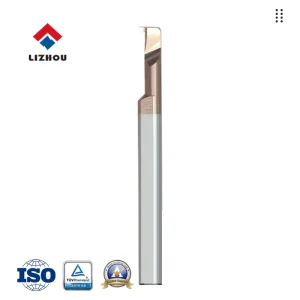
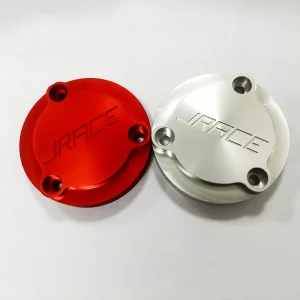
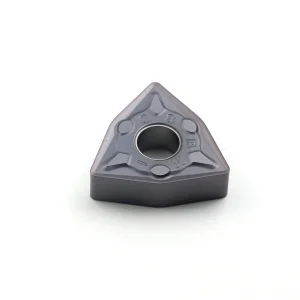
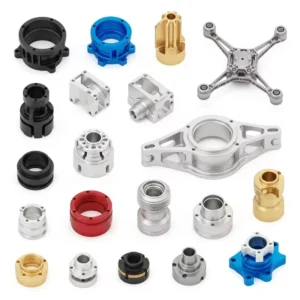
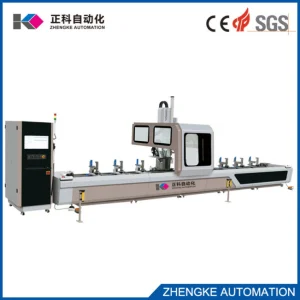
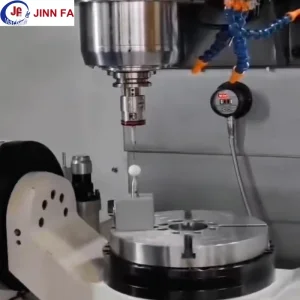
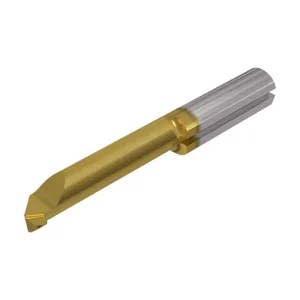
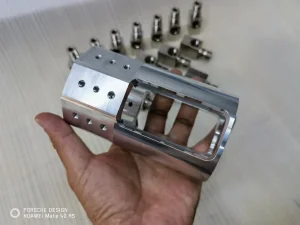
Explore our flagship precision-engineered metal products, designed to meet strict tolerance limits and perform flawlessly in critical industrial applications.
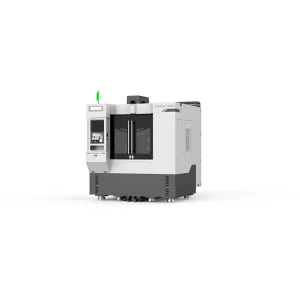
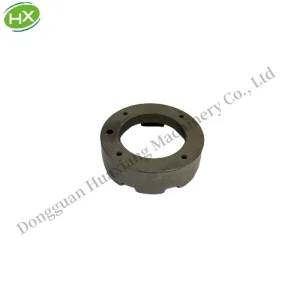
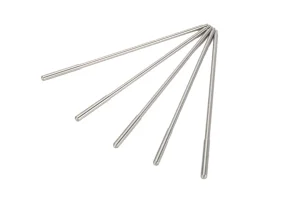
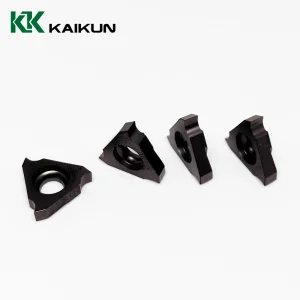
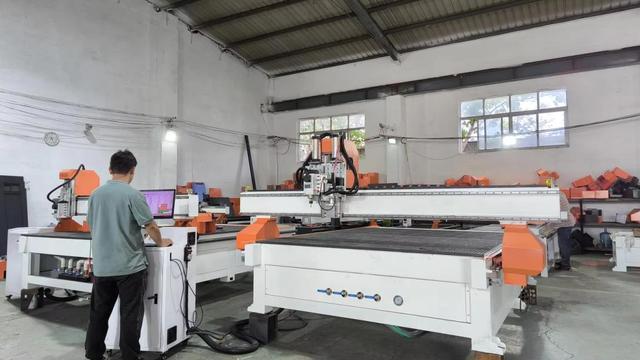
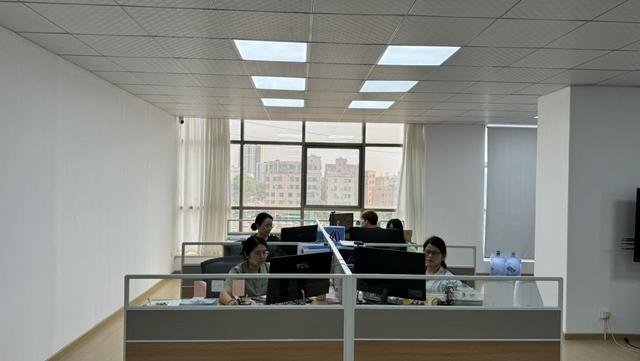
Guangzhou Nuplanta CNC Co., Ltd. is a professional CNC Machining Service Manufacturer specializing in precision CNC milling, CNC turning, and comprehensive machining solutions for global customers. Located in Guangzhou, China, the company is committed to delivering high-quality, cost-effective, and reliable machining services for a wide range of industries, including automotive, aerospace, electronics, medical devices, machinery, and industrial equipment.
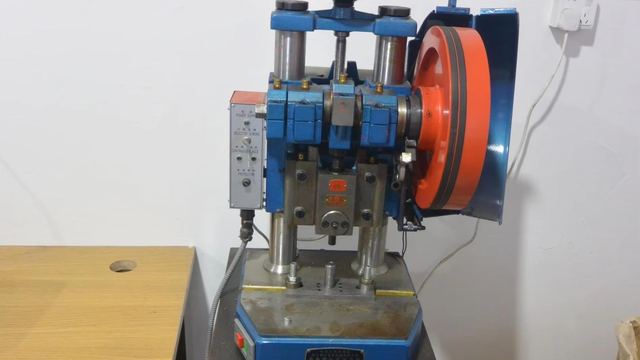
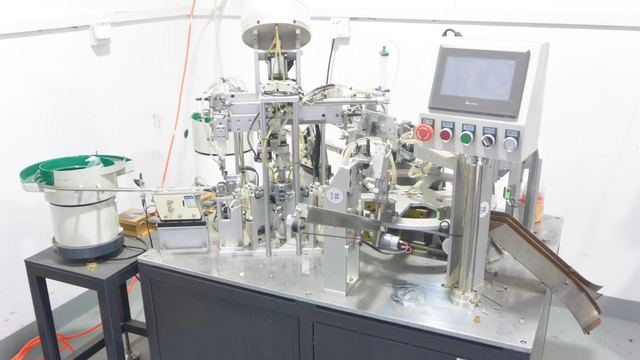
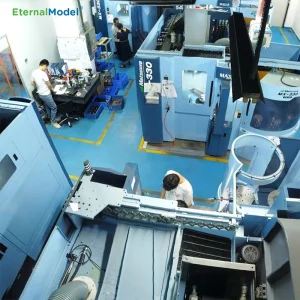
With advanced CNC equipment and a skilled engineering team, Nuplanta CNC is capable of handling complex geometries, tight tolerances, and high-volume production requirements. The company utilizes state-of-the-art machining centers and strict quality control systems to ensure consistent accuracy, excellent surface finish, and stable product performance. From prototyping to mass production, every process is carefully managed to meet international quality standards.
Guangzhou Nuplanta CNC Co., Ltd. also provides customized OEM and ODM services, working closely with clients to develop tailored machining solutions based on specific drawings, materials, and application requirements. Its experienced technical team supports customers throughout the entire process, from design optimization to final delivery.
With a strong focus on innovation, efficiency, and customer satisfaction, Nuplanta CNC continues to expand its global presence, striving to be a trusted partner in precision CNC machining and advanced manufacturing solutions worldwide.
Analyzing why global industry leaders leverage Chinese CNC metalworking hubs to optimize cost efficiency, technical quality, and scalability.
China's industrial regions, particularly Guangzhou and the Pearl River Delta, host a fully integrated hardware ecosystem. From raw metal alloy extrusion mills to professional anodizing, heat treatment, and surface coating vendors, every link in the value chain exists within a 50-mile radius. This dramatic reduction in logistical friction translates directly into shorter lead times, lower transport costs, and robust supply chain resilience for international partners.
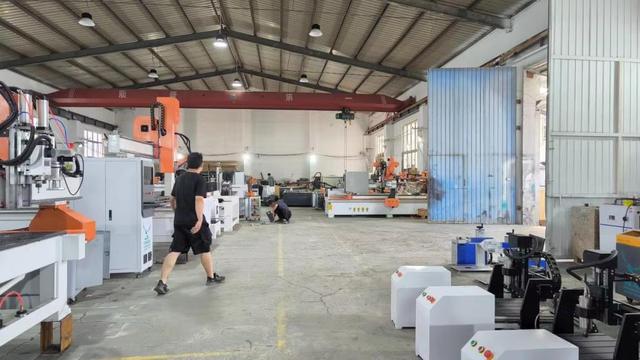
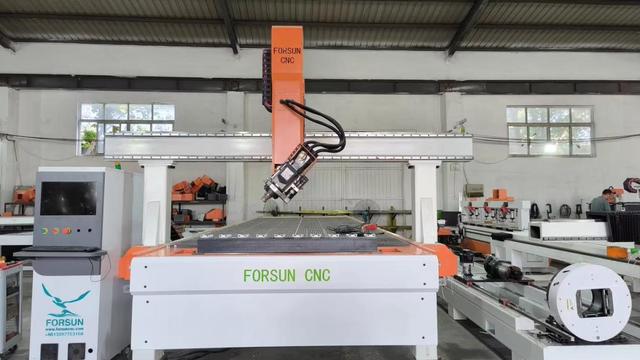
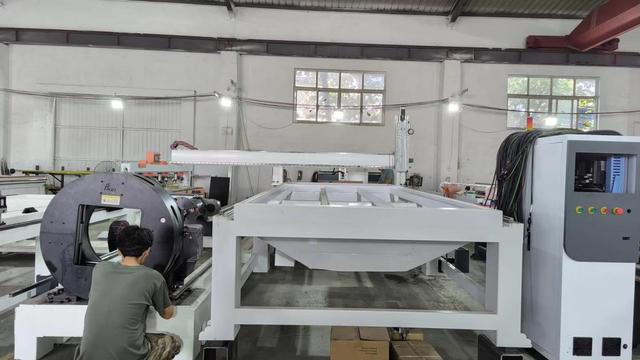
Chinese CNC factories have transformed from low-cost workshops to high-tech manufacturing plants. By investing in multi-axis high-speed machining centers (including 4-axis and 5-axis linkage setups), facilities like Nuplanta CNC can produce intricate geometries with minimal setups. This prevents alignment errors, ensures consistent structural integrity, and enables the high-precision processing of materials such as medical-grade titanium and aerospace stainless steel alloys.
The convergence of professional mechanical engineers and seasoned CNC programmers allows for efficient DFM (Design for Manufacturability) consulting. Chinese engineers are adept at analyzing CAD files to recommend modifications that simplify machining paths, reduce raw material waste, and optimize cost efficiency. At Nuplanta CNC, our engineering team acts as a direct extension of your internal R&D department, bridging design intent and manufacturing feasibility.
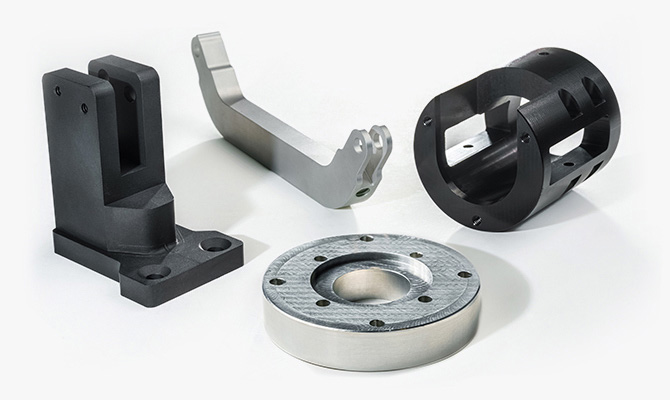
By leveraging state-of-the-art turning, milling, and grinding systems, we fulfill high-volume production schedules without sacrificing dimensional integrity. Our process controls include Coordinate Measuring Machines (CMM), optical comparators, and surface roughness testers to confirm that every batch conforms precisely to client specifications. Whether you are dealing with lightweight structural parts or highly dynamic mechanical components, our production controls prevent anomalies and stabilize tensile profiles.
Our commitment to modernization means our machinery utilizes the latest programmable CNC controllers. These controllers execute toolpaths at optimal feed rates and spindle speeds, reducing thermal stress on materials such as Titanium Grade 5 and Stainless Steel 316L. The result is minimized micro-cracking, exceptional fatigue resistance, and uniform surface finishes across large batch runs.
How cutting-edge industrial shifts shape production methods, quality management, and product design paradigms globally.
AI is redefining modern toolpath strategies. By utilizing intelligent CAM algorithms, CNC machines dynamically adjust cutter engagement, feed rate, and spindle speed based on real-time load feedback. This minimizing tool wear, prevents tool breakage, and shortens cycle times by up to 25%. Nuplanta CNC monitors these advancements to continually integrate smarter algorithms into our high-speed milling operations.
Eco-conscious production is no longer optional. The industry is rapidly shifting toward Minimum Quantity Lubrication (MQL) and biodegradable cutting fluids to reduce chemical footprints. Additionally, recycling metal chips and optimizing nesting routines to reduce raw stock scrap rates are now standard practices. These efforts align global production requirements with strict environmental and carbon-offset targets.
By combining metal 3D printing (DMLS) with traditional CNC milling, manufacturers create complex internal geometries that were previously impossible to machine. Additive methods construct near-net shapes, while high-precision CNC mills clean critical mating surfaces, thread channels, and O-ring grooves. This hybrid workflow drastically reduces raw material consumption in high-cost alloys like Inconel and Titanium.
How precision-machined hardware forms the backbone of modern heavy machinery, medical tech, and consumer electronics worldwide.
Weight reduction and structural strength are paramount in aerospace engineering. Complex bracket assemblies, landing gear components, and turbine housings are machined from lightweight aluminum-lithium alloys and titanium. These components demand tight geometric tolerances (GD&T) and exhaustive Non-Destructive Testing (NDT) to survive extreme thermal transitions and high-vibration environments.
The EV transition demands lightweight structural parts to maximize battery range. Aluminum CNC machining is vital for battery enclosures, motor housings, and suspension linkages. Furthermore, rapid prototyping services enable automotive OEMs to test steering knuckle designs and transmission parts in functional trials before investing in expensive die-casting tooling.
Medical instruments, bone plates, and implantable joints require biocompatible materials (like Titanium Grade 5 or PEEK) and ultra-smooth surface finishes to prevent bacterial adhesion. In these contexts, 5-axis micromachining is utilized to maintain sub-micron repeatability, ensuring that surgical instruments perform reliably during complex procedures.
From high-end smartwatches to custom scientific sensors, consumer electronics require both aesthetic appeal and structural durability. Anodized aluminum components, precision watch bezels, and connector housings require flawless cosmetic surfaces combined with tight tolerances for tight seal containment against dust and liquid ingress.
Robotic arms, pneumatic manifolds, and automated end-effectors require lightweight parts to minimize inertia and improve cycles. Custom aluminum alloy and brass components machined with custom toolsets are essential to maintain the high payload-to-weight ratios required in modern automated factories.
Solar tracker brackets, wind turbine gearbox parts, and hydrogen fuel cell manifolds require robust corrosion resistance. Specialized protective plating combined with precise machining ensures that these components operate continuously under harsh outdoor conditions for decades.
Addressing the critical supply chain criteria that international buyers evaluate when sourcing CNC parts from China.
For critical aerospace, medical, and automotive components, chemical composition verification is non-negotiable. Sourcing partners must ensure that raw stock is accompanied by certified Material Test Reports (MTRs) detailing mechanical properties and chemical compositions. At Nuplanta CNC, we conduct optical emission spectrometry (OES) and ultrasonic inspection tests to confirm material authenticity before chips fly, preventing structural failures in the field.
Relying on final inspection is insufficient for large-scale production runs. Advanced CNC manufacturing requires structured quality gates: First Article Inspection (FAI) reports, in-process statistical process control (SPC) chart monitoring, and final dimensional checks. Using coordinate measuring machines (CMMs) and surface profilometers ensures that every batch meets the drawing requirements, with Cp and Cpk values tracked to maintain process stability.
Protecting design files, 3D models, and proprietary concepts is essential when collaborating with overseas manufacturing partners. Secure transfer protocols, strict internal access controls, and legally binding Non-Disclosure Agreements (NDAs) protect your designs throughout the prototyping and mass-production cycles.
Global shipping entails managing customs clearances, compliance documentation, and duty calculations. Experienced exporters offer comprehensive logistics services, including DDP (Delivered Duty Paid), FOB, and CIF options. This simplifies shipping and minimizes port delays, ensuring your components arrive exactly when your production line needs them.
Expert answers to common engineering, procurement, and logistical queries regarding custom CNC production.
Our typical machining tolerance is ±0.005 mm (approx. ±0.0002 inches) for high-precision components, depending on material choice and geometry. Critical dimensions can be held even tighter under temperature-controlled cleanroom conditions with specialized grinding and finishing equipment.
We work with a broad spectrum of metals and engineering plastics. This includes Aluminum (6061-T6, 7075-T6, 2024), Stainless Steel (304, 316L, 17-4 PH), Titanium (Grades 2 and 5), Brass, Copper, Carbon Steel, and structural plastics like PEEK, POM (Delrin), and Nylon.
All raw materials sourced by Nuplanta CNC are accompanied by Material Test Reports (MTRs) from verified mills. Upon request, we also provide independent third-party spectrographic analysis and hardness testing to verify alloy compositions before manufacturing starts.
Rapid prototyping runs are typically completed and shipped within 3 to 7 business days, depending on geometry complexity. Mass production runs generally range from 15 to 30 days, depending on the volume, finish requirements, and current factory utilization.
Yes, we offer a comprehensive suite of surface finishing treatments. Our secondary capabilities include Type II & Type III hard anodizing, sandblasting, powder coating, bead blasting, chemical passivation, electroplating, laser etching, and electropolishing.
We take IP security very seriously. We execute NDAs before receiving any 3D models. All CAD files are stored on isolated, secure internal servers, and only authorized project engineers and CAM programmers have access to your designs during production.
Review additional precision components, multi-axis milling options, and custom cutting tools engineered to demanding specifications.
 Nuplanta CNC