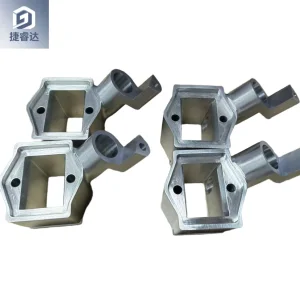
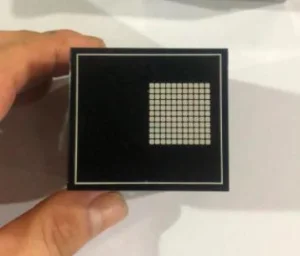
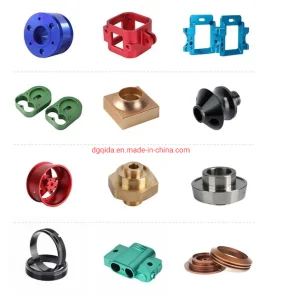
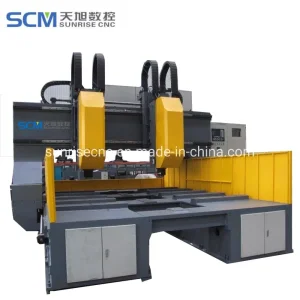
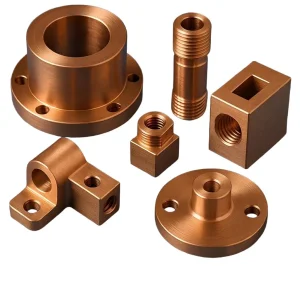
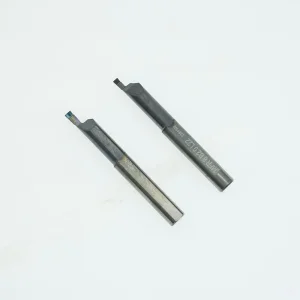
Explore our foundational range of CNC turned, milled, and custom manufactured components designed for ultra-tight tolerances and demanding operational environments.
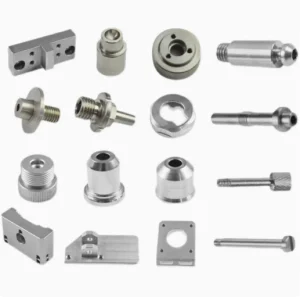
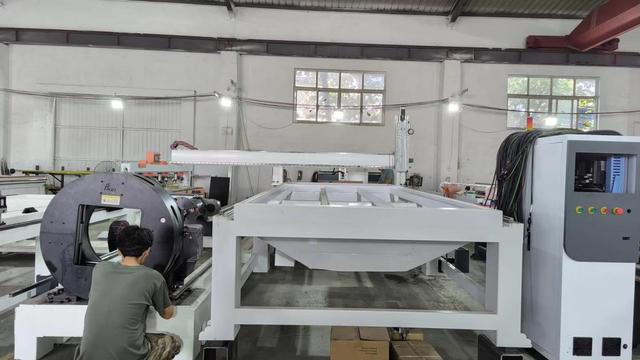
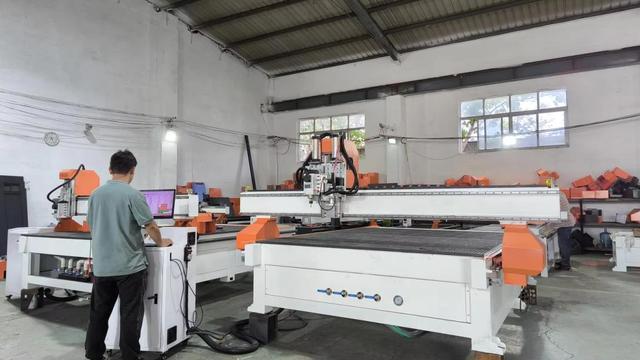
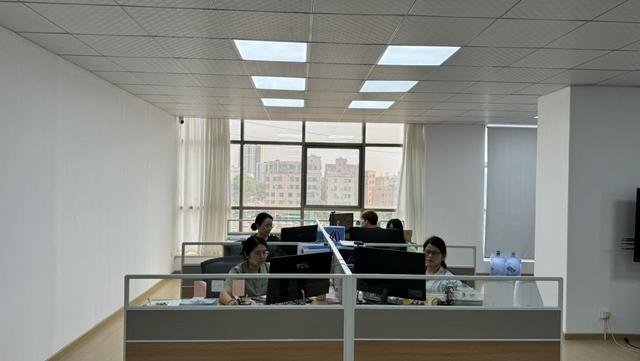
Guangzhou Nuplanta CNC Co., Ltd. is a professional CNC Machining Service Manufacturer specializing in precision CNC milling, CNC turning, and comprehensive machining solutions for global customers. Located in Guangzhou, China, the company is committed to delivering high-quality, cost-effective, and reliable machining services for a wide range of industries, including automotive, aerospace, electronics, medical devices, machinery, and industrial equipment.
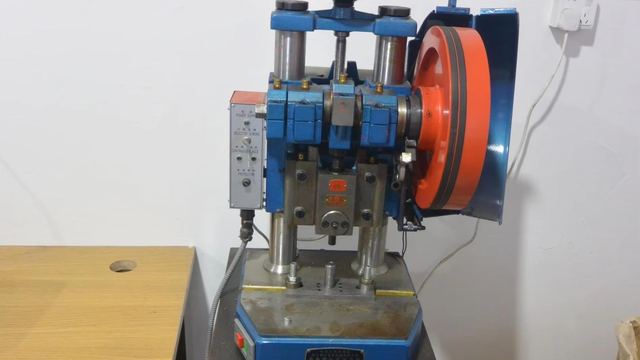
With advanced CNC equipment and a skilled engineering team, Nuplanta CNC is capable of handling complex geometries, tight tolerances, and high-volume production requirements. The company utilizes state-of-the-art machining centers and strict quality control systems to ensure consistent accuracy, excellent surface finish, and stable product performance. From prototyping to mass production, every process is carefully managed to meet international quality standards.
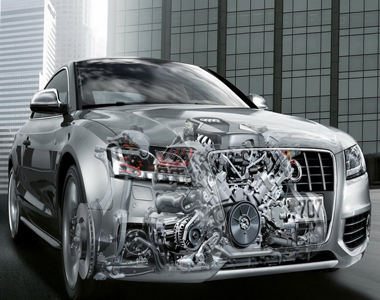
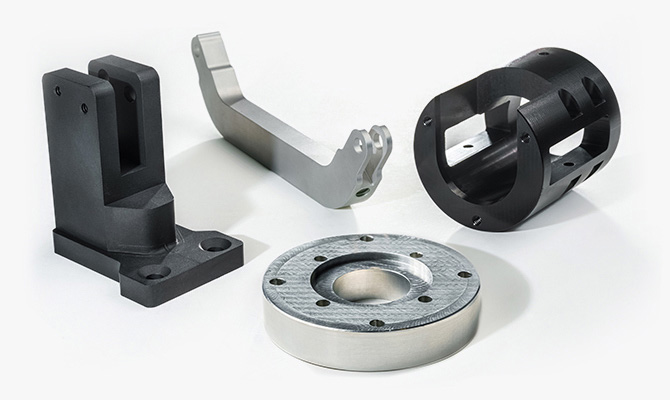
Guangzhou Nuplanta CNC Co., Ltd. also provides customized OEM and ODM services, working closely with clients to develop tailored machining solutions based on specific drawings, materials, and application requirements. Its experienced technical team supports customers throughout the entire process, from design optimization to final delivery.
With a strong focus on innovation, efficiency, and customer satisfaction, Nuplanta CNC continues to expand its global presence, striving to be a trusted partner in precision CNC machining and advanced manufacturing solutions worldwide.
The precision manufacturing sector is undergoing a massive transformation driven by digitalization, automation, and shifts in supply-chain resilience strategies. Modern manufacturing demands go far beyond basic metal cutting; today’s high-precision industries require complex geometries, near-zero defect rates, and rapid turnaround times. In the global B2B procurement environment, procurement teams prioritize manufacturing partners who demonstrate not only raw machining capacity but also design optimization (DFM), strict validation protocols, and multi-axis tooling capability.
China remains the epicenter of the global CNC machining supply chain, offering an unparalleled ecosystem of raw material availability, surface treatment specialists, and highly integrated logistics infrastructure. Guangzhou, a major hub for high-tech manufacturing, offers strategic logistical access and industrial clustering, allowing manufacturers like Nuplanta CNC to offer premium OEM components with shortened lead times. By integrating five-axis milling, Swiss-type turning, and advanced surface finishes, Chinese manufacturers have graduated from offering low-cost parts to serving as key co-development partners for OEMs globally.
Recent shifts in geopolitical and logistics models have forced global industrial buyers to prioritize vendors capable of delivering consistent high-mix, low-volume (HMLV) batches alongside scale mass production. The ability to switch fluidly between material configurations—such as superalloys for aerospace and anodized aluminum for consumer tech—is a critical metric for supply chain agility.
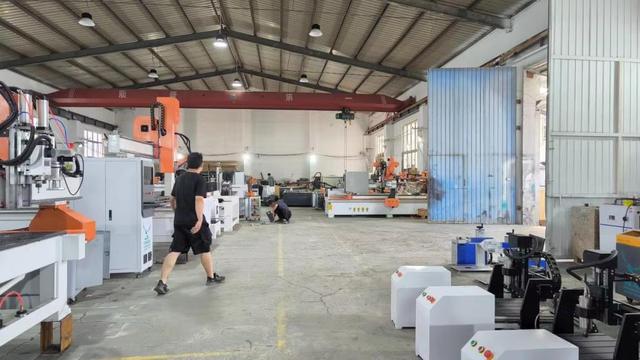
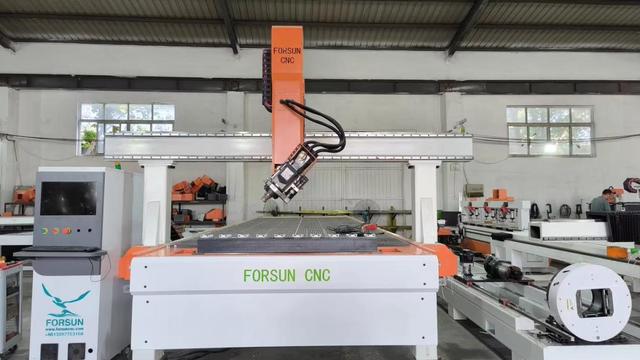
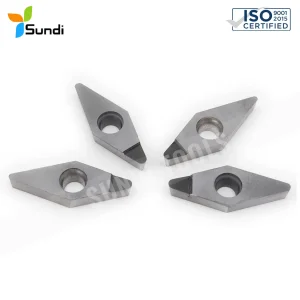
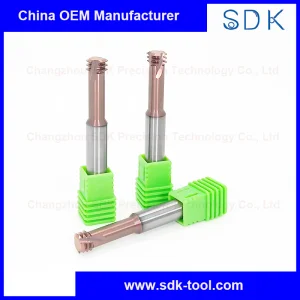
Precision engineering requires deep domain knowledge of material behaviors during subtractive processes. Thermal expansion, work hardening, and chip evacuation variables dictate the final dimensional stability of the component. At Nuplanta CNC, our engineering team monitors these criteria through custom toolpathing and advanced tool geometries (including PCD and solid carbide tooling).
| Material Category | Common Alloys Processed | Precision Applications | Typical Surface Treatment |
|---|---|---|---|
| Aluminum Alloys | 6061-T6, 7075-T6, 2024, 5052 | Aerospace structural brackets, drone frames, housings | Type II/III Anodizing, Sandblasting |
| Stainless Steel | SUS304, SUS316L, 17-4 PH, 410 | Medical implants, food-processing components, marine hardware | Passivation, Electro-polishing, Bead Blasting |
| Titanium Alloys | Gr. 2, Gr. 5 (Ti-6Al-4V) | Orthopedic bone screws, aerospace engine parts, high-stress motorsport parts | Anodizing, PVD Coating |
| Copper & Brass | C36000, C11000, Phosphor Bronze | Electrical terminals, connectors, RF housings, heat sinks | Nickel plating, Gold/Silver plating, Acid Pickling |
| Superalloys / Steels | Inconel 718, Hastelloy, 4140 Alloy Steel | Oil & Gas downhole tools, high-temperature turbines | Black Oxide, Nitriding, Hard Chrome Plating |
| Engineering Plastics | PEEK, POM (Acetal), PTFE, Polycarbonate | Semiconductor test sockets, fluidic manifolds, electrical insulators | De-burring, Vapor Polishing |
Transitioning from standard 3-axis milling to 5-axis and 7-axis CNC centers allows for single-setup processing of complex structural geometries. This eliminates cumulative setups and spatial misalignment errors, enabling the manufacturing of undercuts, complex organic curves, and deep internal cavities that are standard requirements in modern medical and aerospace designs.
The future of CNC manufacturing lies in the convergence of physical machining with cyber-physical systems. As we progress toward Industry 4.0, several technology vectors are defining high-end components manufacturing:
Nuplanta CNC provides comprehensive solutions that address the specific challenges of each vertical market:
For Aerospace and Semiconductors: High-purity, ultra-precise parts requiring particle-free cleaning, micromachining, and stringent validation reports (such as material mill certificates and full dimensional FAI reports).
For Automotive and Automation: Fast, repeatable production runs of drivetrain housings, structural linkages, and robotic arms with tight alignment tolerances to ensure minimal vibration and wear over extended operation lifecycles.
Get professional answers to key technical questions commonly asked by global procurement and design engineers.
Explore our specialized tooling options, 5/7-axis turning assemblies, and custom metal fabrication services designed for heavy-duty and high-reliability setups.
 Nuplanta CNC