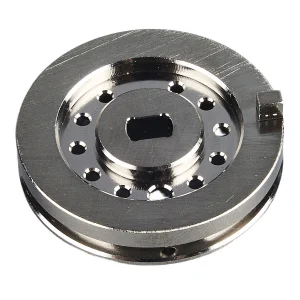
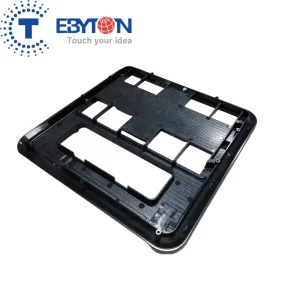
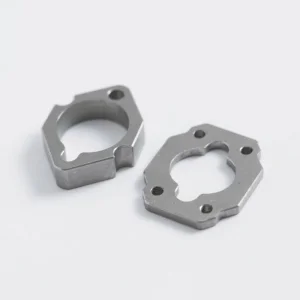
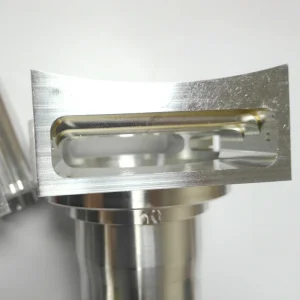
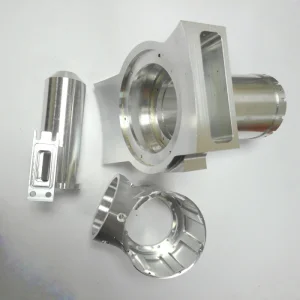
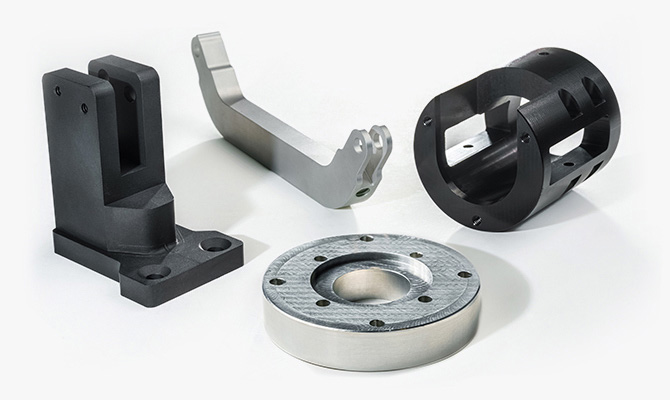
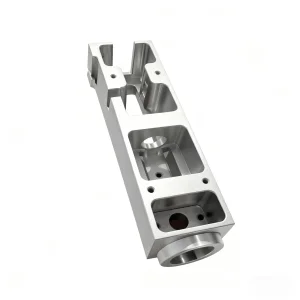
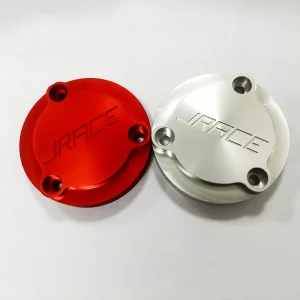
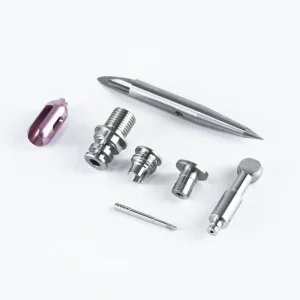
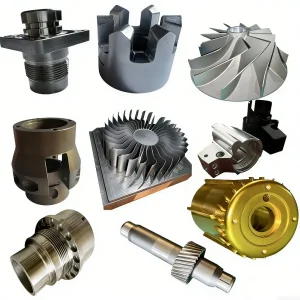
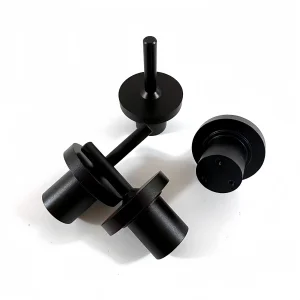
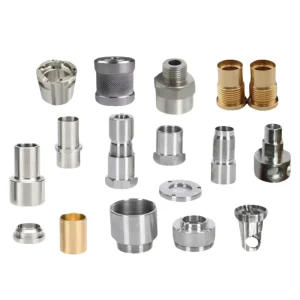
Explore the initial selection of our state-of-the-art CNC manufactured products, designed for high wear resistance and ultra-precise fit tolerances.
Bridging engineering brilliance with global logistics capability to deliver top-tier subtractive manufacturing options.
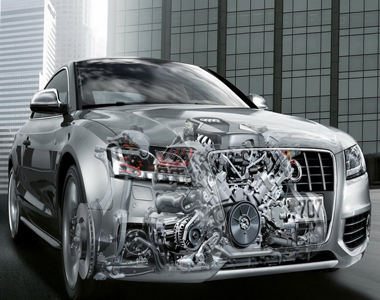
Guangzhou Nuplanta CNC Co., Ltd. is a professional CNC Machining Service Manufacturer specializing in precision CNC milling, CNC turning, and comprehensive machining solutions for global customers. Located in Guangzhou, China, the company is committed to delivering high-quality, cost-effective, and reliable machining services for a wide range of industries, including automotive, aerospace, electronics, medical devices, machinery, and industrial equipment.
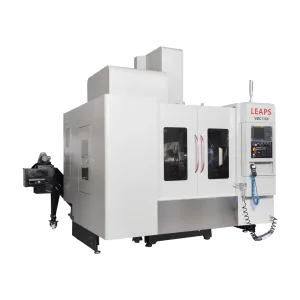
With advanced CNC equipment and a skilled engineering team, Nuplanta CNC is capable of handling complex geometries, tight tolerances, and high-volume production requirements. The company utilizes state-of-the-art machining centers and strict quality control systems to ensure consistent accuracy, excellent surface finish, and stable product performance. From prototyping to mass production, every process is carefully managed to meet international quality standards.
Guangzhou Nuplanta CNC Co., Ltd. also provides customized OEM and ODM services, working closely with clients to develop tailored machining solutions based on specific drawings, materials, and application requirements. Its experienced technical team supports customers throughout the entire process, from design optimization to final delivery.
With a strong focus on innovation, efficiency, and customer satisfaction, Nuplanta CNC continues to expand its global presence, striving to be a trusted partner in precision CNC machining and advanced manufacturing solutions worldwide.
Leveraging regional clustering, raw material access, and advanced industrial supply chains in Guangzhou.
Located in the industrial heartland of Guangzhou, we enjoy proximity to premium alloy suppliers, rapid tooling specialists, and advanced surface finishing houses. This minimizes transit times and enables swift material preparation.
By leveraging high-speed machining centers equipped with 12,000 to 24,000 RPM spindles, we accelerate prototype turnaround. This supports multi-phase design iterations in days, not weeks.
Every shipment is verified against coordinate measuring machine (CMM) reports. Advanced metrology and material traceability certificates (MTRs) are integrated into our dispatch pipeline, fulfilling rigorous global standards.
Expertise in CNC machining is not just about having the machines; it is about thermal stability control, geometry error calibration, dynamic cutter balancing, and advanced CAM toolpath generation. Guangzhou Nuplanta CNC Co., Ltd. brings fifteen years of engineering experience to design and machine components for aerospace and medical applications, ensuring reliability in every dimension.
A deep dive into structural alloys, technical thermoplastics, and surface treatment capabilities.
Modern industrial design requires highly specialized raw materials. Subtractive manufacturing at our Guangzhou facility supports diverse configurations, ranging from lightweight structural aerospace parts to high-conductivity thermal solutions.
| Material Category | Common Alloys Supported | Key Machining Characteristics | Primary Target Industry |
|---|---|---|---|
| Aluminium Alloys | 6061-T6, 7075-T6, 5052, 2024 | Excellent strength-to-weight, high thermal conductivity, easy finishing. | Aerospace structural components, radiator housings, motorcycle frames. |
| Stainless Steel | SUS304, SUS316L, 17-4 PH, 316 | High corrosion resistance, superior wear resistance, difficult to cut. | Medical implants, marine hardware, chemical fluid connectors. |
| Titanium Alloys | Grade 2, Grade 5 (Ti-6Al-4V) | Bio-compatibility, ultra-high tensile strength at elevated temperatures. | Bone fixation screws, engine turbine components, aerospace fasteners. |
| Engineering Plastics | PEEK, ABS, Delrin (POM), Polycarbonate | Self-lubricating, low moisture absorption, excellent dielectric properties. | Electronic insulation parts, custom prototyping, gears, micro-nozzles. |
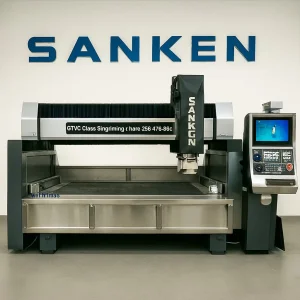
| Specialty Glasses | Sanken Glass, Borosilicate, Mirror Glass | Requires precise diamond tools, high brittleness control, dust containment. | Automotive instrument panels, architectural mirrors, optics. |
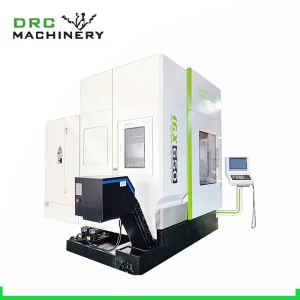
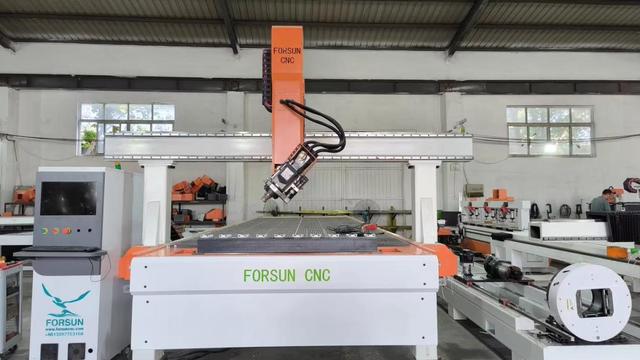
As industries push towards electrification and light-weighting, CNC technology must adapt. The growth of multi-tasking CNC lathes and 5-axis vertical machining mills allows complex components to be finished in a single setup. This reduces placement tolerance stacking and ensures high concentricity.
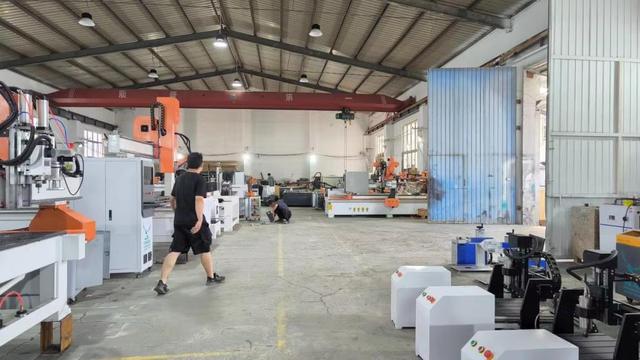
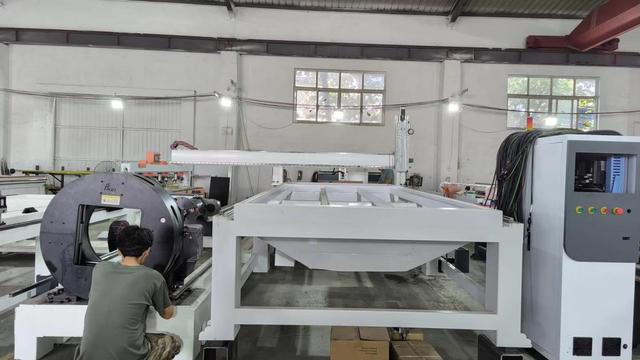
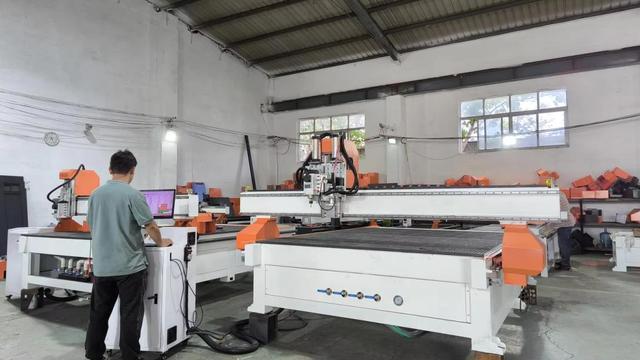
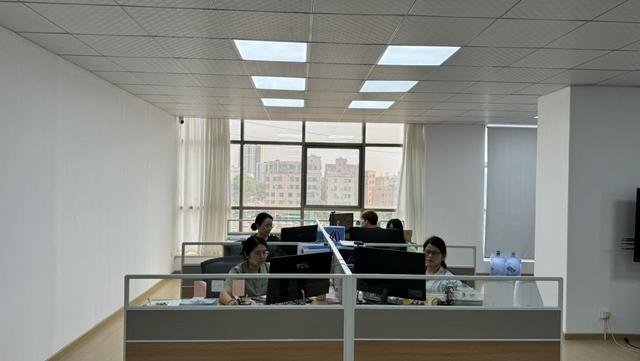
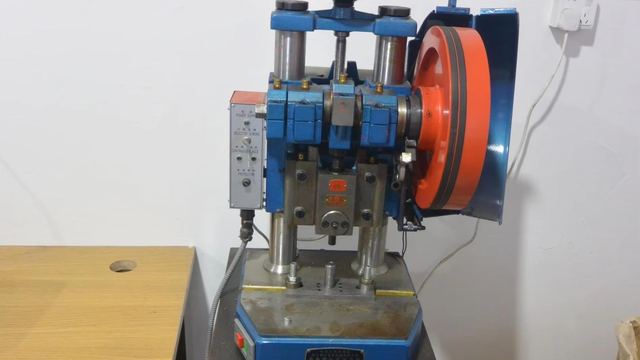
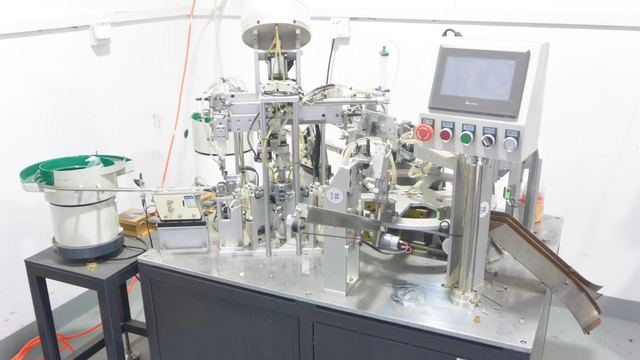
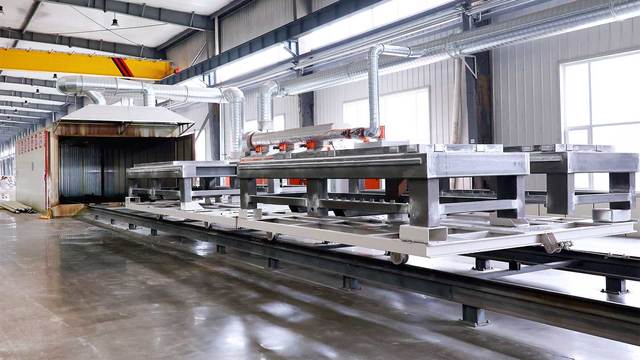
A transparent look at our machining floors, clean room assemblies, and verification labs.
Detailed answers to structural, chemical, and dimensional compliance questions.
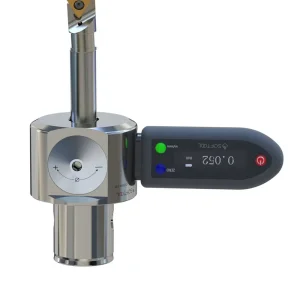
Browse the remaining selection of high-precision parts, heavy-duty assemblies, and custom CNC boring setups.
 Nuplanta CNC