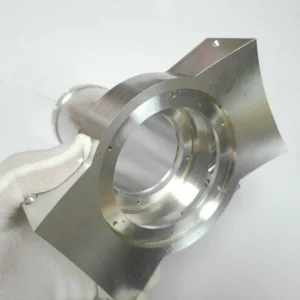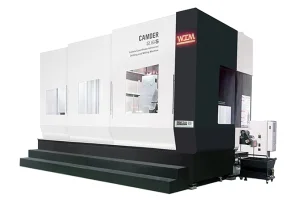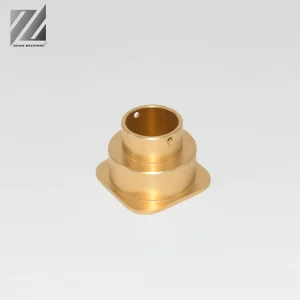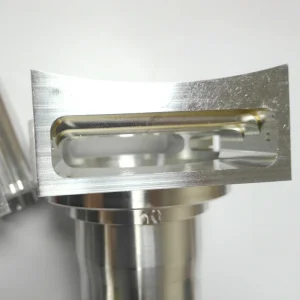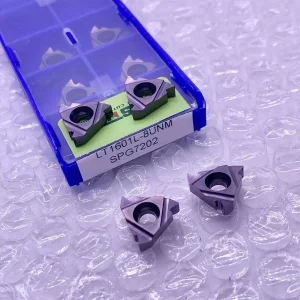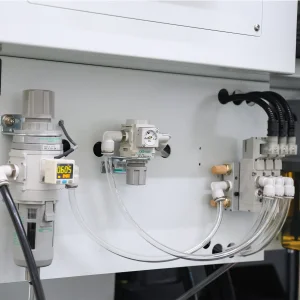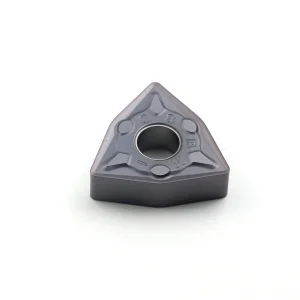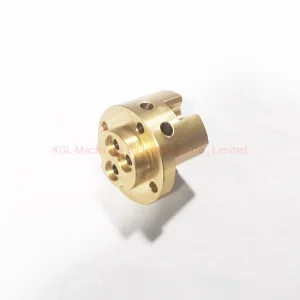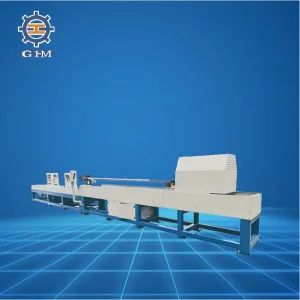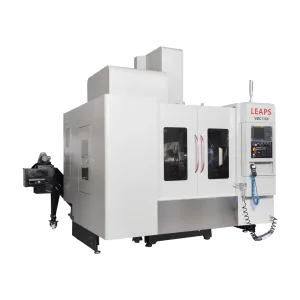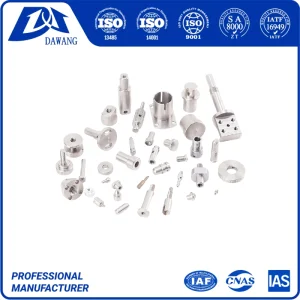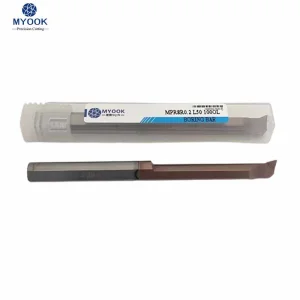
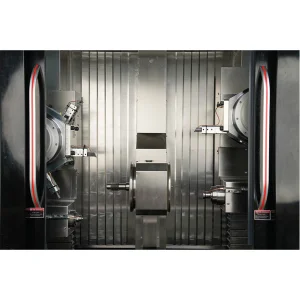
Guangzhou Nuplanta CNC Co., Ltd. is a professional CNC Machining Service Manufacturer specializing in precision CNC milling, CNC turning, and comprehensive machining solutions for global customers. Located in Guangzhou, China, the company is committed to delivering high-quality, cost-effective, and reliable machining services for a wide range of industries, including automotive, aerospace, electronics, medical devices, machinery, and industrial equipment.
With advanced CNC equipment and a skilled engineering team, Nuplanta CNC is capable of handling complex geometries, tight tolerances, and high-volume production requirements. The company utilizes state-of-the-art machining centers and strict quality control systems to ensure consistent accuracy, excellent surface finish, and stable product performance. From prototyping to mass production, every process is carefully managed to meet international quality standards.
Guangzhou Nuplanta CNC Co., Ltd. also provides customized OEM and ODM services, working closely with clients to develop tailored machining solutions based on specific drawings, materials, and application requirements. Its experienced technical team supports customers throughout the entire process, from design optimization to final delivery. With a strong focus on innovation, efficiency, and customer satisfaction, Nuplanta CNC continues to expand its global presence, striving to be a trusted partner in precision CNC machining and advanced manufacturing solutions worldwide.
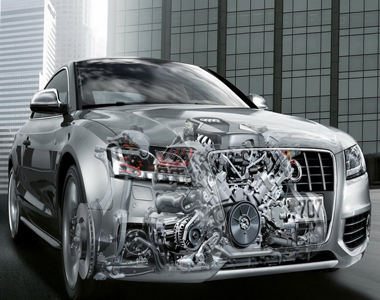
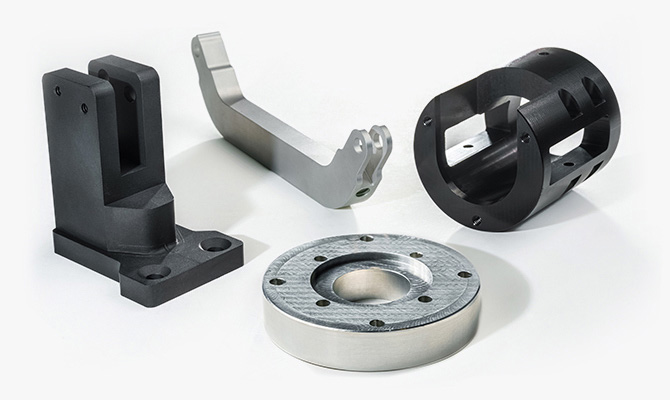
Manufacturing precision is not just about state-of-the-art machinery; it is defined by the strict workflows, toolpath strategies, and multi-axis configurations optimized by our senior engineering teams. As global supply chains migrate toward tighter integration, Guangzhou Nuplanta CNC Co., Ltd. addresses high-difficulty geometric challenges through optimized machining strategies. We employ top-tier multi-axis machining facilities to mill and turn refractory alloys, high-temp superalloys, advanced plastics, and structural grade metals, achieving dimensional accuracy, minimum micro-grooving, and superior surface integrity.
The global manufacturing landscape is undergoing a digital revolution. In the sphere of subtractive manufacturing, CNC machining centers are no longer isolated work units but integrated components of Cyber-Physical Systems (CPS). Current trends highlight the shift towards:
Industrial procurement teams face unprecedented volatile market forces. Beyond standard pricing formulas, modern procurement requires dynamic risk mitigation, localization options, and verification of a factory's QA depth. Critical dimensions of strategic sourcing include:
Total Cost of Ownership (TCO): Sourcing managers look beyond the piece price. Factors like shipping delays, quality-related rework costs, import duty mitigation, and the technical support provided during the Design for Manufacturability (DFM) phase dictate the actual cost.
E-E-A-T Sourcing Validation: Buyers mandate that manufacturing partners provide material traceability reports, CMM inspection documents, and certified compliance reports (such as RoHS and REACH). Establishing a clear chain of custody ensures compliance in sectors like medical device fabrication or aerospace.
Different industries present vastly distinct performance demands. Top trusted CNC factories must adapt to:
The transition toward autonomous manufacturing requires a roadmap defined by precision metrics, automation adoption, and green manufacturing practices. CNC factories are rapidly integrating automated robotic arm loading, real-time tool wear sensors, closed-loop optical feedback systems, and green coolant lubrication methods to minimize carbon footprint while increasing precision thresholds to sub-micron standards.
Utilizing real-time metrology and multi-axis dynamic tool path compensations. We solve micro-boring and deep-hole profiling with unparalleled accuracy.
Our engineering experts analyze your CAD files to minimize material waste, eliminate thin walls vulnerable to vibration, and recommend optimal tool paths.
Complete physical and chemical certification provided with every batch. We maintain traceability records for metals, engineering polymers, and high-performance alloys.
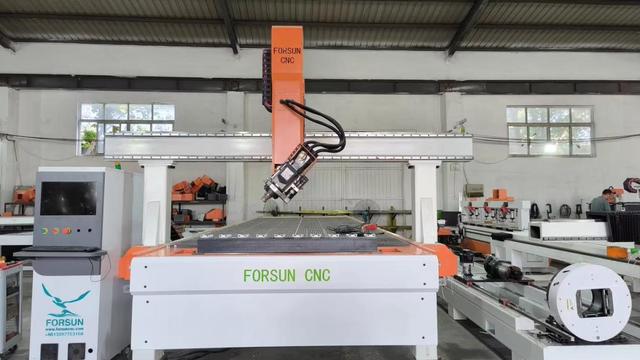
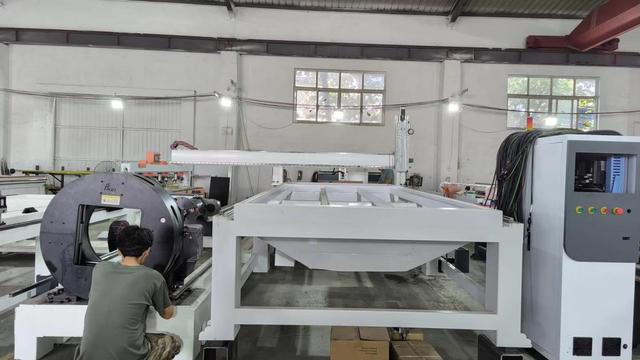
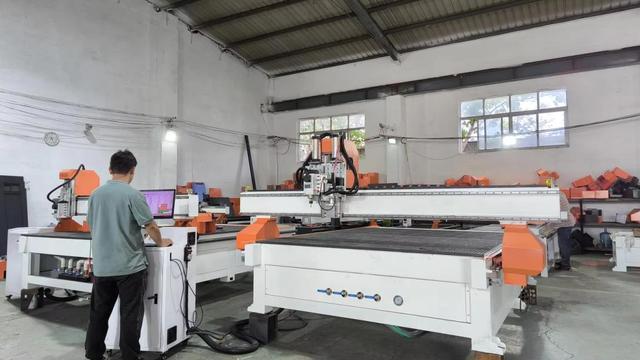
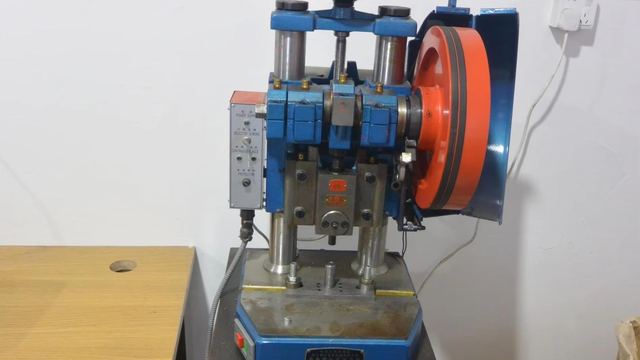
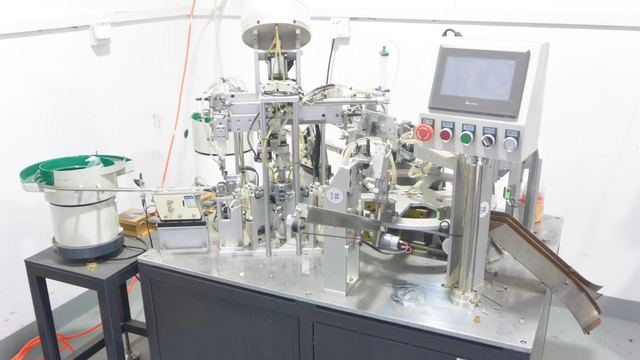
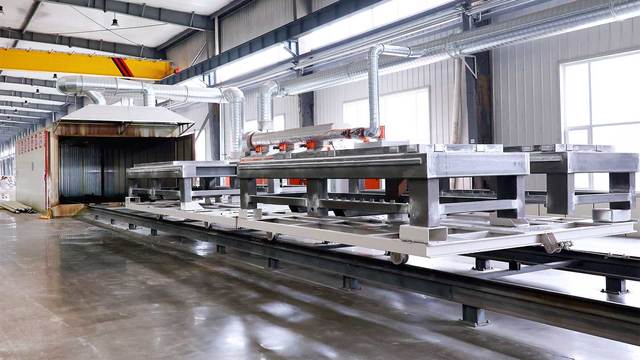
The selection is determined by geometry complexity, setup constraints, and budget. 3-axis machining is ideal for simple, flat designs and pocketing. 4-axis adds rotational capabilities for cylindrical profiles and helical pathways. 5-axis machining allows simultaneous movements on two rotational axes, enabling the fabrication of complex surfaces (such as impellers, turbine blades, and orthopedic implants) without multiple setups, minimizing tolerance accumulation.
Quality assurance at our factory incorporates three layers of verification. First, in-process checking verifies tool wear and dimensional accuracy during machining. Second, our metrology lab operates coordinate measuring machines (CMM), height gauges, and optical comparators calibrated to international standards. Third, we provide material certification and final quality reports with every batch, ensuring compliance with specified dimensional and positional tolerances (GD&T).
Typical rapid prototyping orders can be completed and shipped within 3 to 7 working days, depending on material availability and design complexity. Standard low-to-medium production runs (100 to 5,000 units) take between 2 to 4 weeks. High-volume mass production relies on customized scheduling, cell manufacturing, and dedicated fixturing setups to minimize part cost and maintain steady shipping timelines.
Yes, our capabilities extend beyond common materials like aluminum (6061-T6, 7075-T6) and brass. We regularly machine demanding materials including Titanium (Grade 2/Grade 5), Inconel 718, Stainless Steel (304, 316, 17-4 PH), and engineering polymers like PEEK and Delrin. We adapt tooling profiles, cutting speeds, and cooling methods specifically for each material class.
Our engineering team conducts a thorough Design for Manufacturing (DFM) assessment. We recommend adjustments like standardizing internal corner radii to match common tool diameters, avoiding deep thin-walled pockets prone to vibration, reducing thread depths where extra length offers no structural advantage, and aligning designs to minimize setups.
 Nuplanta CNC