In the evolving landscape of manufacturing, the significance of automation cannot be overstated. Why is automation important in machining processes? It enhances precision, diminishes errors, and increases productivity. As challenges like labor shortages and rising costs emerge, automation offers a viable solution. Companies can adapt by integrating automated systems that streamline operations and reduce lead times.
Most organizations leverage automation to achieve better consistency in production. Automated machines operate with remarkable accuracy, leading to reduced waste and improved quality. However, adopting new technologies does not come without challenges. Companies must invest time in training and maintaining equipment. There can also be initial setbacks in workflow adjustments. These hurdles highlight the importance of careful planning when implementing automation.
Automation in machining presents both opportunities and challenges. While it can transform operations, success relies on strategy and execution. Understanding how to navigate this transition is crucial for manufacturers aiming to thrive in a competitive market. Ultimately, embracing automation requires a commitment to continuous improvement and adaptation.
Understanding Automation in Machining Processes
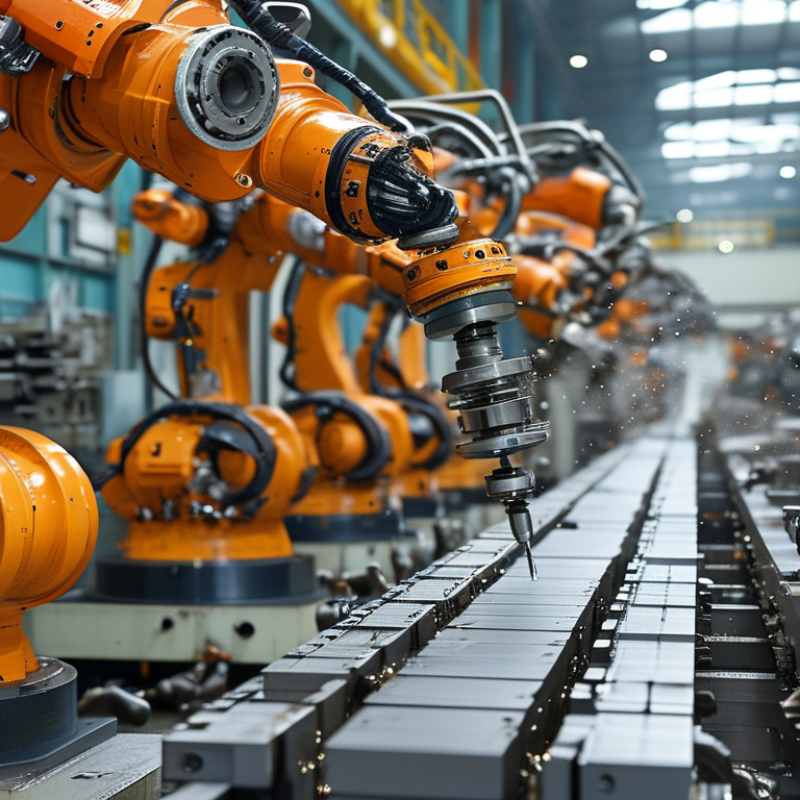
Understanding automation in machining processes is crucial for modern manufacturing. Automation improves efficiency and precision, allowing for higher production rates. Machining processes, like milling and turning, benefit significantly from automation. The integration of robotics and software enhances workflow, reducing human error and fatigue.
One effective tip is to assess your current processes. Identify areas where automation can streamline operations. Consider smaller tasks, like part loading and unloading. This not only saves time but also allows skilled workers to focus on more complex operations. Remember, automation should complement human skills, not replace them.
Another important aspect is ongoing training. Operators must understand automated systems to ensure they operate effectively. Regular training sessions will help maintain system efficiency. Be aware of integration challenges, as not all machines are compatible. Regular assessments can highlight issues before they escalate, ensuring smooth operation. Embrace automation gradually, and don't rush the process. It’s about finding the right balance.
Types of Automation: Fixed, Programmable, and Flexible Solutions
Automation in machining processes is crucial for enhancing efficiency and precision. There are three primary types of automation: fixed, programmable, and flexible solutions. Each type serves a unique purpose and can significantly impact production outcomes.
Fixed automation is ideal for high-volume production. It uses specialized equipment to perform repetitive tasks at a consistent speed. The cost per unit decreases as production volume increases. However, this approach lacks adaptability. Changing product designs can lead to significant downtime, which becomes a concern for many manufacturers. According to a report by McKinsey, organizations that adopt fixed automation can see efficiency improvements of up to 30%. Yet, the rigidity might not suit all companies.
Programmable automation provides a middle ground. It allows for reprogramming but requires more setup time. Systems can adapt to different tasks, which is valuable in environments with varied product lines. In contrast, flexible automation offers the greatest adaptability. It allows machines to handle multiple types of products with minimal changeover time. Data indicates that flexible systems can reduce lead times by 25% on average, according to a recent study from the International Federation of Robotics. Nevertheless, the complexity of these systems can pose significant challenges during implementation. Thus, businesses must carefully assess their needs before investing in automation types.
Implementing Automation: Key Steps and Best Practices
Implementing automation in machining processes can significantly enhance productivity and efficiency. According to a recent industry report, automated machining can increase production rates by up to 30%. Key steps in this implementation include thorough assessment and planning. Understand your current workflows and identify areas where automation can provide substantial advantages. Consult with experts to choose the right technology for your specific needs.
It's essential to involve the workforce in the transition. Employees who feel part of the process adapt better and offer valuable insights. Regular training sessions enhance skills and confidence in using automated systems. An effective approach also involves assessing the ROI over time. According to data, companies that invest in automation see returns typically within two years, making it a worthwhile endeavor.
Tips: Keep an open line of communication with team members. Encourage feedback on the automated processes. This will help you identify any gaps or challenges early on. Furthermore, consider starting small. Small-scale pilot projects can test the effectiveness of automation before a full rollout. Always be prepared to reflect on the process and make necessary adjustments for continuous improvement.
Maximizing Efficiency: Monitoring and Adjusting Automated Systems
In the rapidly evolving manufacturing landscape, monitoring and adjusting automated systems are crucial to maximizing efficiency. A study by the International Society of Automation found that organizations employing real-time monitoring of automated systems reported a 30% increase in productivity. Such enhancements stem from immediate feedback and adjustments that prevent machine downtime.
Automation in machining processes introduces unique challenges. For instance, automated systems can exhibit unexpected behaviors due to variances in raw materials or mechanical wear. In a recent survey by the American Manufacturing Association, 45% of manufacturers reported issues with system integration and maintenance. This highlights the need for ongoing assessment and real-time analytics to ensure optimal performance.
Utilizing advanced sensors and analytics tools can mitigate these issues. By continuously tracking performance metrics, manufacturers can swiftly respond to anomalies. However, many companies struggle with data overload, making it hard to identify crucial trends. Ensuring effective data management systems is vital for leveraging automation's full potential. It demands a commitment to constant learning and adaptation for long-term success.
Future Trends: Innovations in Machining Automation Technology
The future of machining automation technology holds exciting possibilities. Innovations are continually emerging, shaping how industries operate. Smart factories are on the rise, integrating advanced technologies such as AI and IoT. These tools improve efficiency, precision, and decision-making processes. Automation not only reduces human error but also optimizes resource allocation.
Tips for effective automation: Focus on modular systems. They allow for easy updates and scalability as needs evolve. Monitor system performance regularly. This helps identify bottlenecks and areas for improvement. Train your team on new technologies. They should understand how each innovation fits into the overall process.
As automation spreads, challenges also arise. Not all technologies seamlessly integrate with existing systems. Companies face the risk of high implementation costs. Additionally, the workforce must adapt. Skills gaps might emerge, requiring ongoing training. Emphasizing adaptation and flexibility in your approach will pave the way for successful automation adoption in machining processes.
FAQS
: Automation improves efficiency and precision, leading to higher production rates.
They should assess current processes and pinpoint tasks that automation can streamline.
Ongoing training is essential for operators to effectively use automated systems.
It can provide valuable insights and help adapt processes better during the transition.
They often deal with unexpected behaviors due to material variances and mechanical wear.
It enables immediate feedback and adjustments, preventing machine downtime and enhancing productivity.
They need effective data management systems to help identify crucial trends.
Small-scale pilot projects test effectiveness before committing to a full rollout.
Regular assessments are crucial to identify issues early and ensure smooth operations.
Conclusion
The article "2026 How to Utilize Automation in Machining Processes Effectively?" explores the significance of automation in modern machining environments. It outlines the essential types of automation—fixed, programmable, and flexible solutions—highlighting how each contributes to increased efficiency and productivity. Understanding automation is crucial as it allows manufacturers to streamline operations, reduce human error, and optimize resource allocation.
Key steps for implementing automation, including assessing the needs of the production line and best practices for integration, are discussed. The article emphasizes the importance of continuously monitoring and adjusting automated systems to maximize efficiency. Additionally, it looks ahead at future trends and innovations in machining automation technology, underscoring why automation is important in machining processes, as it not only enhances operational performance but also drives the industry toward a more sustainable and competitive future.

 Nuplanta CNC