In the ever-evolving landscape of modern manufacturing, the question arises: what is the role of CNC machining in modern manufacturing? Experts agree on its significance. Dr. Sarah Mitchell, a renowned authority in advanced manufacturing technology, states, “CNC machining not only enhances precision but also accelerates production cycles.”
CNC machining is a key driver of efficiency. It reduces waste and minimizes errors. By utilizing computer numerical control, manufacturers can achieve consistent quality across large production runs. This precision is particularly crucial in industries such as aerospace and medical device manufacturing. However, reliance on this technology also raises questions about job displacement and the need for skilled workforce training.
Nonetheless, the benefits of CNC machining are hard to overlook. It streamlines production processes and allows for complex designs that were once unimaginable. As manufacturers continue to integrate this technology, a balance between innovation and workforce adaptability must be found. This balance is essential for a sustainable future in manufacturing.
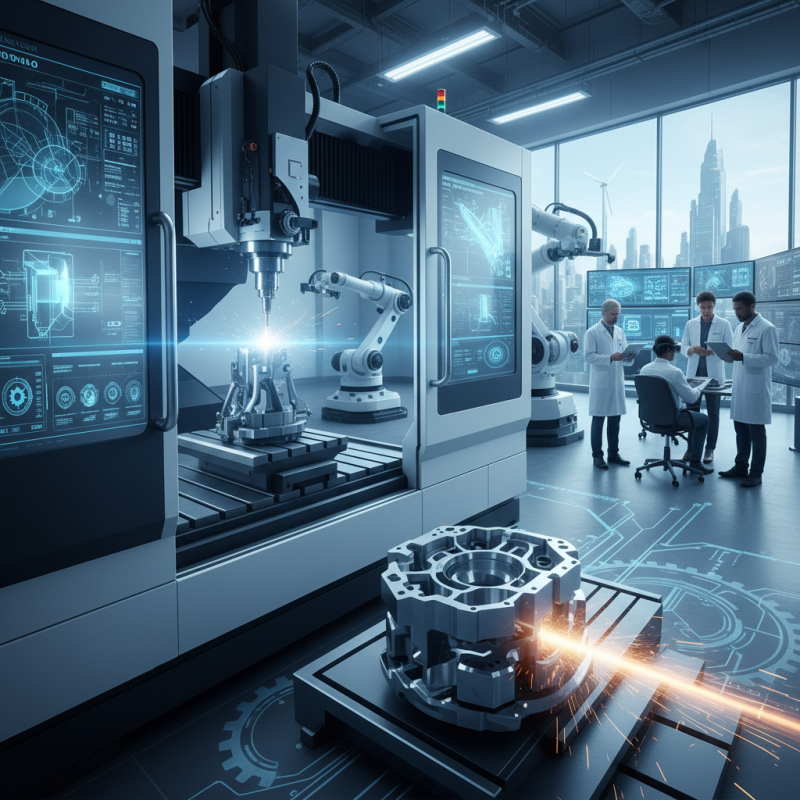
CNC machining plays a vital role in modern manufacturing, especially regarding quality control. Precision is essential; even minor deviations can lead to significant issues. CNC machines work with high accuracy, producing parts that meet tight tolerances. This capability assures manufacturers and clients that the final products are reliable.
When implementing CNC machining, it's important to maintain regular calibration. This helps avoid unnoticed errors that can accumulate over time. Operators must be trained properly to handle the machines. Even skilled personnel can overlook simple aspects, leading to inconsistencies in production. Most importantly, keep an open channel of communication in the workshop. Discussing potential problems can enhance overall efficiency.
Tip: Regularly review your CNC processes. Ensuring each step is followed consistently will prevent costly mistakes. Small adjustments can lead to significant improvements in quality. Additionally, consider investing in advanced software to monitor performance. This can provide real-time data for better decision-making. Quality control is not just about the machines; it's about the entire process and the people involved.
CNC machining plays a vital role in modern manufacturing, providing unmatched precision and control over production processes. The data above highlights the top reasons for its importance: precision, efficiency, flexibility, cost-effectiveness, and scalability, measured on a scale from 1 to 10.
CNC machining significantly enhances cost efficiency in modern manufacturing. It automates processes, reducing the need for manual labor. This automation leads to fewer human errors, which can be costly in production. By using CNC machines, manufacturers can achieve high precision. This precision minimizes material waste, as parts are crafted exactly to specifications.
Additionally, CNC machining offers flexibility in production. Adjustments can be made quickly through software changes. This capability means less downtime and more efficient use of resources. However, not every CNC setup is perfect. Initial costs can be high, particularly for smaller businesses. Investing in the right technology requires careful planning and consideration of return on investment.
It's important to acknowledge that while CNC machining improves efficiency, it isn't without challenges. Operators need training to handle complex machines. The learning curve can initially slow down production. Companies should weigh these factors against the long-term savings potential. Data-driven decisions will help gauge the overall impact on their manufacturing processes.
| Reason | Description | Benefit | Impact on Costs |
|---|---|---|---|
| Precision | CNC machines manufacture parts with an extremely high level of accuracy. | Reduced need for rework and lower tolerance issues. | Decreases in waste and labor costs due to fewer errors. |
| Consistency | CNC machining provides the same quality output regardless of production volume. | Improves overall product quality. | Lower variations lead to reduced costs in quality control. |
| Material Efficiency | CNC machining optimizes material use by cutting precisely to needed dimensions. | Minimizes scrap and excess material waste. | Lower material costs significantly as less is wasted. |
| Speed | CNC machines operate faster than manual machining processes. | Increases production rates and output. | Higher speed reduces labor size and operational costs. |
| Automation | CNC machining can be automated for repetitive tasks. | Allows for longer production runs without operator intervention. | Lowers labor costs and increases efficiency overall. |
CNC machining has become a cornerstone of modern manufacturing. Its versatility allows it to excel across various industries. From aerospace to medical devices, CNC machines adapt to unique requirements. They shape metals, plastics, and composites with high precision, making them indispensable.
In the automotive industry, CNC machining contributes to rapid prototyping. Manufacturers create custom parts swiftly, reducing time-to-market. The flexibility in design also ensures that parts meet exact specifications, enhancing product quality.
**Tips:** Always ensure your CNC machine is regularly calibrated. This practice reduces errors during the manufacturing process. Additionally, consider investing in training for your operators; skilled workers can maximize efficiency and minimize waste.
In the medical sector, CNC machining produces intricate components for instruments and implants. Precision is critical here, as even minor inaccuracies can have serious implications. This highlights the importance of quality control in CNC processes.
**Tips:** Implement a quality assurance checklist during production. Small mistakes can escalate quickly, affecting overall output. Collaborating with experienced engineers can refine your processes, driving better results.
As industries evolve, so does the role of CNC machining. Its capability to adapt plays a major role in meeting modern manufacturing challenges. Exploring its full potential can lead to innovative solutions and improved processes.
CNC machining technology plays a crucial role in modern manufacturing. It enables rapid production to meet growing market demands. Manufacturers can quickly switch from one part design to another, reducing downtime. This flexibility helps companies adapt to changing customer preferences efficiently. When leveraging CNC machining, the ability to scale production remains a significant advantage.
Speed and scalability go hand in hand. CNC machines work tirelessly, ensuring high output levels while maintaining precision. This reliability allows businesses to fulfill larger orders without compromising quality. However, some manufacturers may struggle to optimize their processes fully. Inefficiencies can creep in, affecting overall productivity. Regular assessments of technology and workflow help identify potential improvements. Balancing speed with meticulous planning is essential.
Automation within CNC machining also offers new opportunities, yet it comes with challenges. Not all technicians are well-versed in the latest software. Training is vital but often overlooked. Companies must invest in their workforce to keep up with technological advancements. As innovation accelerates, staying competitive requires a commitment to continuous learning. Embracing change is important while reflecting on existing practices for better outcomes.
CNC machining stands out in modern manufacturing due to its unmatched customization capabilities. Manufacturers can craft unique parts tailored to specific requirements. This level of precision allows for the creation of items that meet exact specifications. Each design can be adjusted with minimal effort, enabling rapid prototyping.
Flexibility is another crucial advantage. As market demands shift, CNC machines can adapt quickly. Changes in design can be implemented without significant downtime. This agility empowers companies to innovate continuously and stay competitive. While this technology brings many benefits, it also demands skilled operators. Finding professionals who can maximize CNC capabilities can be challenging.
In addition, relying heavily on automation raises questions. Are we losing touch with artisanal methods? Balancing CNC machining with traditional techniques might enrich the manufacturing landscape. It is essential to reflect on this synergy for future growth. Embracing both worlds could lead to breakthroughs in creativity and efficiency.
: Precision ensures that parts meet tight tolerances, reducing issues in manufacturing. Small deviations can lead to major problems.
Regular calibration prevents unnoticed errors from accumulating, ensuring consistent product quality over time.
Proper training minimizes human errors, enhancing overall production consistency and efficiency. Untrained operators might overlook critical details.
CNC machining automates processes, reducing manual labor and material waste by achieving high precision in part production.
Initial costs and the learning curve can slow down production. Training is essential to overcome these challenges effectively.
CNC machining is versatile and used in aerospace, automotive, medical, and more. Each industry benefits from its adaptability.
Implementing a quality assurance checklist helps catch small mistakes before they escalate. Regular communication among team members is crucial.
Flexibility allows quick adjustments in production, minimizing downtime and enhancing resource use, but it requires careful planning.
Yes, investing in advanced software provides real-time performance data, aiding in better decision-making for manufacturers.
Regular reviews help prevent costly mistakes and identify areas for improvement in quality and efficiency.
CNC machining plays a pivotal role in modern manufacturing, primarily due to its precision and efficiency. By ensuring high-quality control and minimizing material waste, CNC technology significantly reduces production costs. This cost efficiency is vital for manufacturers looking to streamline operations and maintain competitive pricing. Furthermore, the versatility of CNC machines allows for their application across various industries, adapting to diverse manufacturing needs.
Additionally, CNC machining technology enhances speed and scalability, enabling companies to meet increasing market demands promptly. Customization and flexibility are other key aspects, as CNC capabilities allow for the tailoring of products to specific client requirements. Overall, the role of CNC machining in modern manufacturing is indispensable, offering a blend of precision, efficiency, and adaptability crucial for success in today’s fast-paced industrial landscape.

Nuplanta CNC