Achieving a high surface finish in CNC parts is critical for functionality and aesthetics. Many manufacturers often ask how to improve surface finish in CNC parts. The quality of the surface can significantly affect the performance of the final product. Therefore, understanding the factors at play is essential for effective machining.
One of the most common challenges is tool wear. Dull tools can lead to poor surface quality. Regularly checking and replacing cutting tools can mitigate this issue. Additionally, selecting the right materials plays a crucial role. Different materials respond uniquely to machining processes. This makes material choice a vital consideration.
Another important aspect is machining parameters, including feed rate and spindle speed. Fine-tuning these variables can enhance surface finish quality. However, finding the perfect balance can be a trial-and-error process. It's not always straightforward, and some adjustments may lead to unexpected results. Continuous learning and reflection on machining practices can help refine the process over time. By focusing on these elements, CNC operators can achieve better surface quality while also embracing the need for ongoing improvement and adaptation.
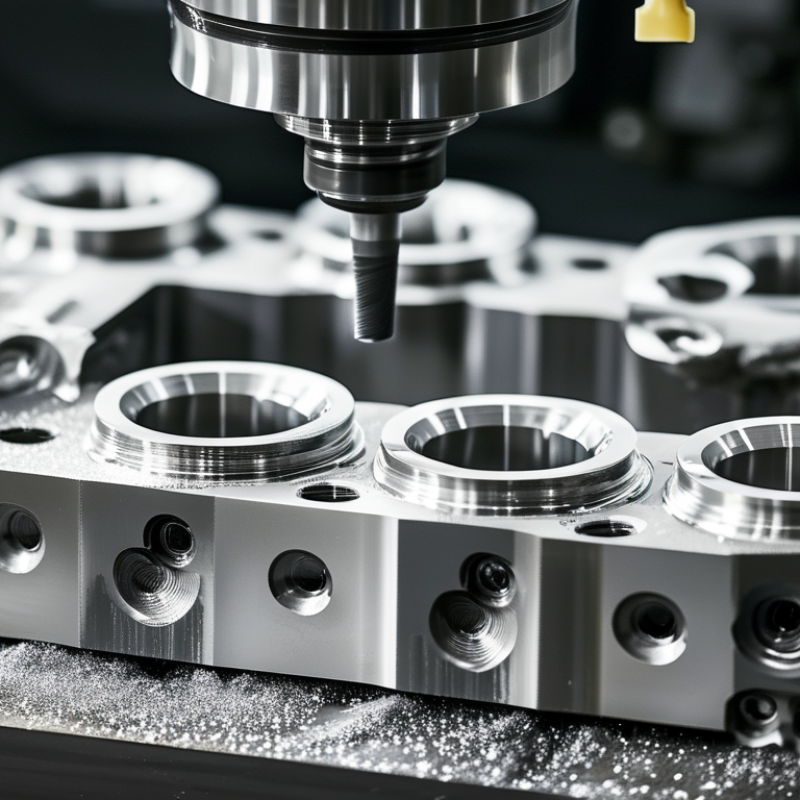
Surface finish is a crucial aspect of CNC machining that directly impacts part performance. A smoother finish enhances aesthetics and reduces friction. According to a report from SME, up to 90% of CNC machining issues stem from poor surface finish. Understanding these factors can lead to better manufacturing outcomes.
Tip one: Select the right cutting tool. The geometry and material of the tool are vital. Using a tool that is too dull can lead to unwanted finishes. Regular tool inspection is essential as even minor wear can affect the quality.
Tip two: Adjust cutting parameters. Feed rate and spindle speed have a significant influence on surface quality. For instance, increasing the spindle speed while reducing the feed rate often yields a finer finish. However, there's a balance to strike. Too high speeds can cause tool overheating, leading to surface damage.
It's also important to consider machine stability. Vibrations and machine alignment impact surface quality. Regular calibration checks can help maintain performance. When machines are not properly maintained, even advanced techniques may not yield desired results. This area often gets overlooked, yet it’s critical for achieving high standards in surface finish.
Choosing the right material is crucial for achieving optimal surface quality in CNC parts. Different materials provide varying characteristics that can significantly impact the final surface finish. For instance, metals like aluminum offer a smoother finish due to their fine grain structure. In contrast, plastics may require different CNC techniques to avoid rough edges.
Selecting the right material can enhance surface quality. One effective tip is to consider the machining properties of the material. Materials that are easier to cut and shape typically yield better surface finishes. Additionally, exploring variations in material density may aid in achieving desired results. Always experiment with different materials to find the best fit for your project.
Another important factor is the machining process. Adjusting feed rates and speeds can greatly affect the finish. For example, higher speeds may reduce surface roughness but require precise tools. Keep in mind that not all materials react the same way to machining. Some may require post-processing to achieve a satisfactory surface finish. Always be ready to reflect on your choices and adjust accordingly.
CNC machining precision greatly depends on cutting parameters. Adjusting these factors can significantly enhance the surface finish of your parts. Start by fine-tuning the spindle speed. A higher speed often results in a smoother finish, but beware of overheating. Striking the right balance can be tricky.
Feed rate is another critical aspect. A slower feed typically allows for a finer cut, but can lead to longer cycle times. If the feed rate is too high, expect a rougher surface. Additionally, consider the toolpath strategies. Using adaptive strategies can improve finishes by minimizing abrupt changes in direction.
Cutting depth shouldn't be overlooked either. Shallow cuts can yield finer surface finishes. However, they might require more passes, increasing production time. It's essential to reflect on the entirety of the process. Each parameter interacts with others, and minor adjustments can lead to significant differences. Experimentation is key in finding the optimal settings for various materials and geometries.
| Tip Number | Tip Description | Recommended Cutting Speed (m/min) | Feed Rate (mm/rev) | Tool Material |
|---|---|---|---|---|
| 1 | Select the right tooling for material | 80-150 | 0.05 | Carbide |
| 2 | Optimize feed rate for smoother finish | 100-180 | 0.02 | Cobalt |
| 3 | Control depth of cut for reduced vibration | 70-120 | 0.04 | High-Speed Steel |
| 4 | Use proper coolant to enhance finish | 60-130 | 0.03 | Ceramic |
| 5 | Ensure tool sharpness for quality cuts | 75-140 | 0.05 | Diamond |
| 6 | Use the latest CAD/CAM software | 85-160 | 0.03 | Solid Carbide |
| 7 | Regularly maintain CNC machine components | 90-150 | 0.05 | Nanocomposite |
| 8 | Implement finishing passes to refine surface | 70-125 | 0.01 | Coated Carbide |
| 9 | Use of edge preparation techniques | 80-140 | 0.02 | Tool Steel |
| 10 | Experiment with different machining strategies | 95-170 | 0.04 | Aluminium Oxide |
Proper tool maintenance and selection are crucial in achieving superior surface finish in CNC parts. Regularly inspecting and cleaning tools can prevent tool wear and chip buildup. Operators should create a routine inspection schedule. This ensures that every tool remains in optimal condition. Dull tools lead to lower surface quality. Identifying wear early on can save time and reduce costs associated with rework.
Choosing the right tool for each specific material is equally important. Different materials require unique geometries and coatings. For example, aluminum often needs tools with specific flutes for chip evacuation. Conversely, harder materials may require more robust tooling with specialized coatings. It’s essential to evaluate the properties of the material thoroughly. However, some may overlook these detailed assessments, leading to poor results.
Maintaining a detailed log of tool performance can be beneficial. This log should include information on usage, maintenance, and any observed issues. Analyzing this data helps in refining tool choices over time. Yet, many manufacturers neglect this practice. They may not realize how much it can impact their overall quality. Commit to enhancing maintenance practices to boost your CNC surface finish significantly.
In the world of CNC machining, achieving a superior surface finish is essential. Advanced finishing techniques can greatly enhance the quality of machined parts. These techniques include methods such as bead blasting, electro-polishing, and chemical smoothing. Each technique serves a specific purpose and can complement various materials. However, selecting the right technique is crucial. Not all finishes are suitable for every application.
Bead blasting is effective for providing a uniform texture. It can help remove burrs but may not achieve a mirror-like finish. On the other hand, electro-polishing removes surface imperfections but requires a precise control of process parameters. Chemical smoothing is efficient but can lead to material loss if not carefully monitored. The balance between surface quality and material integrity can be challenging to achieve.
Moreover, adopting innovative tools like CNC machining centers with advanced software can enhance finishing processes. These tools allow for more precise control and better results. However, they can also introduce complexities that some operators may not be prepared for. There's always a learning curve. Understanding these nuances contributes to better decision-making, leading to improved outcomes.
: Surface finish affects part performance, aesthetics, and friction. Up to 90% of machining issues come from poor finishes.
Consider the geometry and material of the tool. Ensure it is not dull, as that can ruin finishes.
Focus on feed rate and spindle speed. Higher speeds with lower feed rates usually yield finer finishes.
Vibrations and alignment impact surface quality. Regular calibration checks are necessary for maintaining stability.
Techniques like bead blasting, electro-polishing, and chemical smoothing can enhance surface quality. Choose wisely.
Bead blasting provides a uniform texture but may not create a mirror-like finish. It's not always perfect.
Electro-polishing removes surface imperfections but needs precise control. It's complex and requires careful monitoring.
Chemical smoothing can lose material if not closely watched. Balance between quality and integrity is tough.
Innovative tools with advanced software improve finishing processes but may complicate operations. Learning is essential.
Consider suitability for your application. Not every method works for all materials. Think before you decide.
To effectively understand how to improve surface finish in CNC parts, it is essential to focus on several critical aspects of the machining process. First, selecting the appropriate material plays a significant role in achieving optimal surface quality, as different materials exhibit unique finishing characteristics. Additionally, adjusting cutting parameters—such as feed rate, spindle speed, and depth of cut—can lead to enhanced surface finishes.
Moreover, maintaining and selecting the right tools is crucial for consistent results; worn or inappropriate tools can negatively impact the quality of the surface finish. Finally, implementing advanced finishing techniques, such as polishing, grinding, or other post-processing methods, can further enhance the surface finish of CNC machined parts. By following these tips, manufacturers can significantly improve the surface quality of their CNC components, resulting in better overall performance and aesthetic appeal.
Nuplanta CNC