Sustainability is transforming industries across the globe. Analyzing how sustainability impacts machining processes reveals critical changes in manufacturing. Machining, a core component of production, faces increasing pressure to adopt eco-friendly practices.
Today, businesses prioritize resource efficiency and waste reduction more than ever. Sustainable machining involves using energy-efficient machines and recyclable materials. Companies aim to minimize their carbon footprint while maintaining quality. These changes can be costly, posing challenges for many manufacturers.
However, the benefits often outweigh the drawbacks. Implementing sustainable practices can lead to long-term savings and improved reputation. Customers increasingly value environmentally responsible companies. The shift toward sustainability calls for innovation and agility in machining processes. By examining how sustainability impacts machining processes, firms can better align with modern values and achieve lasting success.
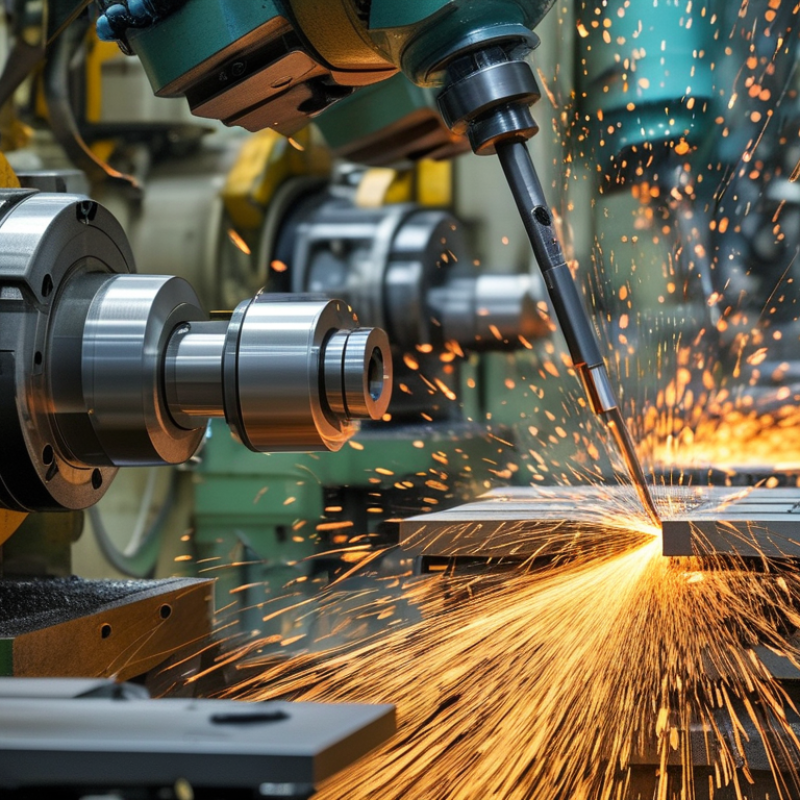
Sustainability has become a crucial focus in the machining industry. Reports indicate that around 60% of manufacturers are adopting eco-friendly practices. This shift is driven by rising energy costs and the need to reduce waste. Implementing sustainable processes can lead to significant cost savings. For instance, reducing material waste can lower expenses by up to 20%.
Companies are investing in new technologies to enhance efficiency. Advanced machining techniques such as high-speed machining are being favored for their ability to minimize energy consumption. However, transitioning to these technologies can be challenging. It requires training and investment, which may deter some businesses.
Sustainability trends emphasize the importance of resource management. A recent study highlighted that nearly 70% of machining companies plan to improve their supply chain sustainability. Yet, it is vital to approach these goals realistically. Many organizations struggle to track and report their sustainability metrics effectively. This reflects a need for better tools and practices in the industry.
Traditional machining processes have significant environmental impacts. Machine tools consume energy and produce waste, including cutting fluids and scrap materials. According to a report by the International Journal of Machine Tools and Manufacture, the machining industry contributes to around 20% of all industrial energy consumption. This statistic is alarming when considering the vast amounts of greenhouse gases emitted during these processes.
Efforts to improve sustainability in machining are underway. For example, using bio-based cutting fluids can reduce environmental damage. Materials can also be recycled more effectively. A study from the Journal of Cleaner Production highlights that optimizing machining parameters can decrease energy use by up to 40%. This shows a clear path toward more responsible practices in the industry.
Tips for sustainable machining include regularly maintaining equipment to ensure efficiency. Reassessing tools and techniques can lead to less waste. Engaging in training for staff on sustainable practices can make a difference. Small changes in daily operations can lead to significant improvements over time.
Innovative techniques are transforming eco-friendly machining processes, making them more sustainable. Recent research indicates that implementing advanced tooling materials can reduce waste by up to 30%. This is a significant step towards minimizing environmental footprints.
One method gaining traction is the use of biodegradable cutting fluids. These fluids not only lower toxicity but also enhance performance. A study from a leading industry journal highlights a 20% improvement in tool life when using these eco-friendly fluids. Additionally, machining centers are increasingly adopting energy-efficient technologies, potentially leading to energy savings of 25% or more.
Despite these advancements, challenges remain. Many manufacturers still resist change due to initial costs or lack of awareness. Transitioning to greener practices requires education and commitment. While the benefits are clear, industry professionals must also address the barriers to adoption. Collaboration and innovation will be crucial in making sustainable machining the standard rather than the exception.
Material selection plays a crucial role in sustainable machining processes. The choice of materials impacts not only the efficiency but also the environmental footprint of manufacturing. Sustainable materials often reduce waste, minimize energy consumption, and enhance recyclability. For instance, opting for alloys that require less energy to manufacture can lead to lower CO2 emissions.
When selecting materials, consider their lifecycle. From extraction to disposal, every stage has an environmental impact. Some materials may perform well initially but create significant waste or pollution later. It's important to weigh these factors. Recycled materials can be an excellent choice, as they require fewer resources and generate less waste. However, they may not always match the performance of virgin materials.
Tips: Always calculate the total cost of ownership. This includes not only the purchase price but also the long-term environmental costs. Engage with suppliers experienced in sustainable practices. Their expertise can guide you in making better material choices. Don't forget to reflect on the potential trade-offs. Sometimes, the best-sounding option may have hidden drawbacks. Stay informed on advancements in sustainable materials to make better decisions in the future.
Sustainability in machining processes is more crucial than ever. The sector is evolving due to environmental pressures and regulatory changes. A recent study indicates that approximately 70% of manufacturers are investing in sustainable practices. This shift is vital for reducing waste and conserving resources. Machining industries are adopting eco-friendly materials and techniques to minimize their carbon footprints.
Future directions for sustainability include embracing advanced technologies. Innovations in additive manufacturing and automated processes can lead to significant waste reductions. Reports suggest that implementing these technologies could lower energy consumption by up to 50%. Moreover, sustainable sourcing of materials is gaining traction. This means selecting materials that are recycled or have lower environmental impact.
**Tip:** Consider evaluating your supply chain. Assess suppliers for their sustainability practices. This not only supports the environment but can enhance your brand reputation.
Continuous improvement is essential in these efforts. Companies should regularly review their processes for inefficiencies and potential environmental impacts. Small adjustments, like optimizing machining speeds, can lead to substantial energy savings. Engaging employees in sustainability initiatives can further enhance commitment and foster innovation. Remember, every step counts towards a greener future.
: Sustainability is a major focus, with about 60% of manufacturers adopting eco-friendly practices.
Implementing eco-friendly processes can lead to cost savings of up to 20% by reducing material waste.
Transitioning requires investment and training, which may deter some businesses from adopting advanced techniques.
Approximately 70% of machining companies aim to improve their supply chain sustainability.
Many organizations struggle with tracking metrics, highlighting the need for better tools and practices in the industry.
Biodegradable cutting fluids are gaining popularity, improving tool life by 20% and lowering toxicity.
Innovative technologies in machining may cut energy consumption by up to 50%.
Regularly review processes for inefficiencies and engage employees in sustainability initiatives to enhance commitment.
Collaboration and innovation are key to making sustainable practices the industry standard rather than an exception.
Assessing suppliers' sustainability practices can enhance brand reputation and support environmental efforts.
The article titled "How Does Sustainability Impact Machining Processes?" explores the critical role of sustainability within the machining industry. It begins by discussing current sustainability trends that are reshaping traditional machining practices, emphasizing the environmental impacts associated with these conventional methods. The article highlights innovative techniques that promote eco-friendly machining, such as advanced tools and technologies that minimize waste and energy consumption.
Additionally, material selection is addressed as a vital component of sustainable machining, with certain materials offering reduced ecological footprints. Finally, the article outlines future directions for sustainability in the machining sector, emphasizing the need for continuous improvement and adaptation to meet environmental challenges. Overall, it effectively illustrates how sustainability impacts machining processes, encouraging a shift toward more responsible practices in the industry.

Nuplanta CNC