Reducing machining errors in production is critical for achieving high-quality outputs. Many manufacturers struggle with this challenge. Renowned manufacturing expert, Dr. Lewis Grant, emphasizes, “Precision is not just a goal; it’s a process.” His insights help guide companies toward better practices.
In today's competitive landscape, understanding how to reduce machining errors in production is essential. Even minor mistakes can lead to increased costs and waste. For instance, incorrect tool settings and improper alignment can create significant discrepancies in machining. Regular audits and operator training play a crucial role in minimizing errors.
Moreover, embracing advanced technologies such as CNC machines can enhance precision. However, relying solely on technology is not the solution. Human oversight remains vital. Continuous improvement processes should be encouraged. In this journey, reflection on past errors helps identify weaknesses. Addressing these flaws is a proactive approach to ensure success.
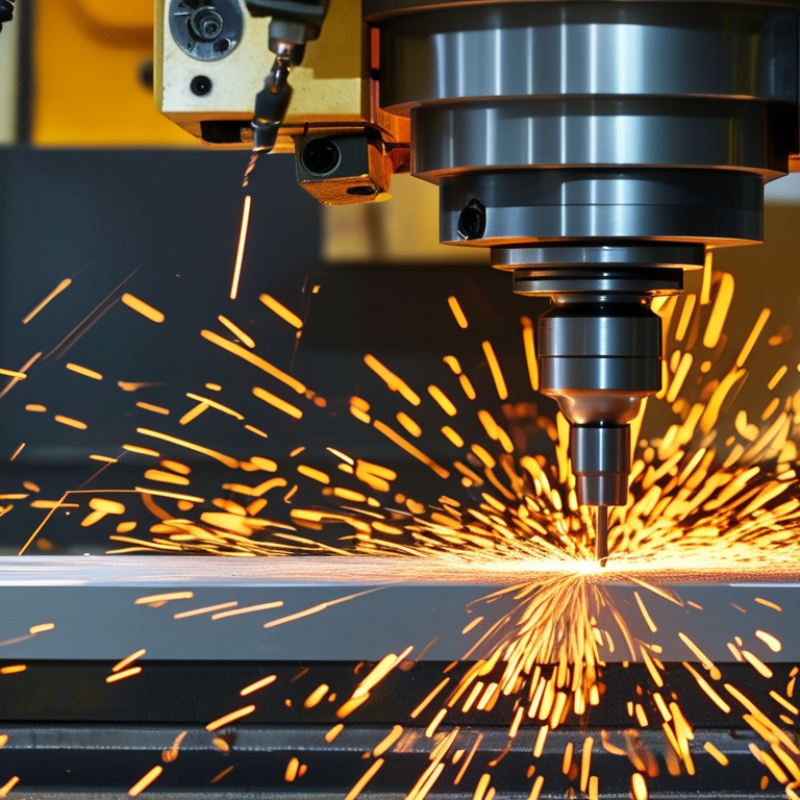
Effective operator training is crucial for minimizing machining errors. Skilled operators understand the nuances of their tools and machines. They can identify subtle signs of wear or misalignment that might lead to inaccuracies. Training programs should emphasize hands-on experience. This immersive approach helps workers become familiar with the equipment.
Regular assessments can help identify areas needing improvement. Operators should receive constructive feedback on their performance. Creating a culture of continuous learning promotes skill enhancement. Workshops and simulations are excellent tools in this context. They allow operators to practice in a safe environment.
Documentation should be clear and accessible. Operators need to understand safety protocols as well as quality standards. Providing visual aids can enhance comprehension. Mistakes will occur, and that’s part of the learning process. Reflecting on errors enables operators to develop better strategies. The goal is not only to reduce errors but to instill confidence in each operator's capabilities.
Implementing advanced measurement techniques is crucial for reducing machining errors in production. Precision control begins with accurate measurement systems. The use of laser scanning technology allows manufacturers to capture detailed geometries. This technology helps identify deviations from specifications easily. With real-time feedback, operators can make adjustments immediately. This dynamic approach minimizes the risk of costly errors and rework.
Another effective technique involves utilizing coordinate measuring machines (CMM). These devices provide precise dimensional data. They enable close inspections of machined parts. Despite their ability to enhance accuracy, CMMs require skilled operators for proper use. Misinterpretation of data can lead to further inaccuracies. Therefore, ongoing training and commitment to excellence are essential.
Adopting statistical process control (SPC) can also aid in error reduction. SPC involves continuous monitoring of production processes. While it offers valuable insights, it can be overwhelming without a clear strategy. A well-defined plan is necessary to prevent data overload. Engaging all team members in the process encourages a culture of quality. Ultimately, fostering an environment that prioritizes precision and accountability leads to production success.
| Measurement Technique | Error Reduction (% of Total Errors) | Cost Implication ($) | Implementation Time (Weeks) | Accuracy Improvement (%) |
|---|---|---|---|---|
| Laser Scanning | 30% | 15,000 | 4 | 20% |
| Coordinate Measuring Machines (CMM) | 40% | 25,000 | 6 | 15% |
| Digital Calipers | 10% | 2,000 | 1 | 5% |
| Optical Comparators | 20% | 10,000 | 3 | 10% |
Utilizing Statistical Process Control (SPC) is crucial for reducing machining errors in production. SPC methods analyze data from production processes. This analysis helps identify variations that could lead to defects. Operators can address these variations before they result in errors.
Tips: Regularly monitor process data. Set control limits based on historical performance. When variations exceed these limits, investigate promptly.
Data visualization tools are effective in SPC. They provide clear insights into performance trends. Graphs and charts help operators see issues at a glance. However, data alone is not enough. Operators need training to interpret this data correctly.
Tips: Invest in training programs for your team. Ensure they understand SPC concepts completely. An informed team can react quickly to anomalies. Recognize that mistakes will happen. Learning from these errors is essential for continuous improvement.
When it comes to reducing machining errors, the choice of materials and tools is critical. Industry research indicates that about 30% of machining defects arise from incompatible tool and material pairings. Selecting the right tool material, such as carbide or high-speed steel (HSS), can greatly minimize wear and prolong tool life. For instance, carbide tools are often recommended for machining abrasive materials, thanks to their hardness and durability.
Precision in machining also hinges on the proper selection of raw materials. A report by a leading manufacturing association highlights that over 40% of defects are linked to inadequately specified materials. Using materials that meet specific performance standards can significantly enhance production outcomes. Metallic components like aluminum alloys or stainless steel require careful handling to maintain integrity during processing. Inconsistent thickness or impurities can lead to misalignment and increased error rates.
While investments in high-quality tools and materials are essential, it’s important to reflect on their effective implementation. Regularly assessing tool wear and monitoring material properties can pinpoint areas for improvement. Many manufacturers overlook routine inspections, leading to costly machining errors. Ensuring consistent practices and adapting to feedback can significantly enhance quality control. Regular training for operators on tool and material compatibility might also reduce defects substantially.
Automation and robotics play a crucial role in enhancing machining accuracy. By integrating advanced technologies, manufacturers can significantly reduce human errors and improve process consistency. Robots can execute precise movements at high speeds, ensuring that each operation is performed within tight tolerances. This leads to higher quality products and reduced waste.
Implementing automation requires careful planning. Evaluate your shop floor layout and assess the machines in use. Understand the tasks that are repetitive and error-prone. Identify the areas that will benefit most from robotic assistance. Training staff to work alongside these systems is also vital. A well-trained workforce can operate and even troubleshoot automated systems, maintaining efficiency.
Here are some tips for effective integration:
- Start small with pilot projects to test automation methods.
- Regularly monitor performance metrics to track improvements.
- Maintain equipment diligently to avoid unexpected downtimes.
Automation can be challenging. It might not solve every problem immediately. Continuous evaluation of the processes is essential for long-term success. Embrace the disruptions and strive for constant improvement.
: Operator training minimizes machining errors and enhances skill levels. Skilled operators recognize tool nuances and machine conditions.
Training should focus on hands-on experience with equipment. Immersive learning builds familiarity and confidence for operators.
Regular assessments identify improvement areas. Constructive feedback guides performance enhancement and fosters continuous learning culture.
Workshops offer safe practice environments. Operators can experiment and learn from mistakes without real-world consequences.
Clear documentation ensures understanding of safety protocols and quality standards. Visual aids can significantly improve comprehension.
Advanced techniques, like laser scanning, offer detailed data. This real-time feedback helps operators make immediate adjustments.
CMMs provide precise data for part inspections. However, operators must be well-trained to avoid misinterpretation of results.
SPC involves analyzing production data to identify variations. This data-driven approach helps prevent defects before they occur.
Teams should investigate promptly when variations exceed set limits. Quick reactions can prevent further issues and maintain quality.
Mistakes are part of the learning process. Operators must reflect on errors to develop strategies for better accuracy.
To effectively address the question of how to reduce machining errors in production, implementing best practices in operator training is essential. Skilled operators can significantly minimize human errors, ensuring more consistent machining processes. Additionally, employing advanced measurement techniques facilitates precision control, allowing for real-time adjustments and enhanced accuracy.
Furthermore, utilizing statistical process control enables the identification and mitigation of errors before they escalate into significant defects. The selection of appropriate materials and tools is equally important, as high-quality resources can lead to fewer manufacturing issues. Lastly, the integration of automation and robotics into machining processes can further refine accuracy and efficiency, ultimately supporting the goal of reducing errors in production. Adopting these strategies collectively builds a robust framework for achieving superior machining quality.
Nuplanta CNC