CNC machining has become essential in various industries, shaping products with precision and efficiency. Reports indicate that the global CNC machining market is expected to reach $100 billion by 2026, highlighting its critical role. Industries such as automotive, aerospace, medical, and electronics rely heavily on CNC machining services for their manufacturing needs.
Expert Mark Johnson, a leading analyst in manufacturing technologies, states, "The demand for CNC machining services spans multiple sectors, each valuing accuracy and reliability." This sentiment underscores the importance of CNC machining in modern production processes. For example, the automotive industry uses CNC machining for components that require tight tolerances.
In the aerospace sector, CNC machining creates complex parts that meet strict safety standards. However, some companies struggle with choosing the right service provider. The challenge lies in balancing cost, quality, and turnaround time. Understanding which industries rely on CNC machining services can guide firms in making informed decisions. In a rapidly changing manufacturing landscape, this awareness is vital for sustainability and growth.
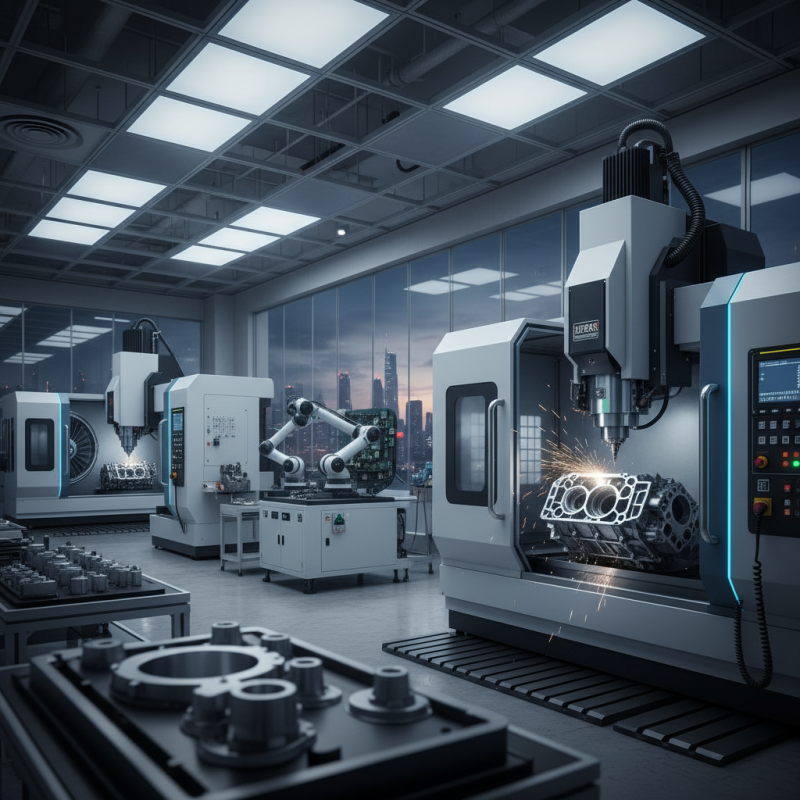
Overview of CNC Machining Services and Their Importance
CNC machining services play a vital role across various industries. These services offer precise manufacturing solutions that meet the increasing demand for accuracy. Industries such as aerospace and automotive rely heavily on CNC machining for producing intricate parts. Reports indicate that the global CNC machining market is expected to reach $100 billion by 2025, driven by the need for efficiency and precision in production.
In the medical field, the reliance on CNC machining is notable. The manufacture of surgical instruments and implants requires a high degree of precision that only CNC machines can provide. According to industry studies, the demand for CNC machined medical devices is projected to grow at a rate of 7% annually. This reflects the industry's commitment to improving patient outcomes and reducing costs. However, there are challenges, such as ensuring quality control and minimizing waste in production.
The electronics sector also values CNC machining. It produces components for devices, ensuring they can withstand modern demands. The speed of production often needs to be balanced with quality. Inconsistent quality control can lead to significant issues down the line. Each industry benefits from CNC machining, but they must continually address challenges to maintain their competitive edge in an evolving market.
Manufacturing Sector and Its Dependence on CNC Machining
The manufacturing sector significantly relies on CNC machining services. This technology enables precision and efficiency in producing complex components. According to a report by the Global Industry Analysts, the CNC machining industry is expected to reach $92 billion by 2027. This growth reflects a surge in demand across various manufacturing industries.
CNC machining is vital in automotive production. It ensures that parts are crafted with exact specifications. A study by MarketsandMarkets indicates that the automotive industry accounts for over 40% of CNC machining applications. Aerospace manufacturing also heavily depends on CNC technology for creating lightweight yet robust components, essential for fuel efficiency.
Despite advancements, challenges persist. The initial cost of CNC machines can be a barrier for smaller manufacturers. Moreover, a skills gap exists. Many companies struggle to find qualified operators. Reports show that 60% of manufacturing executives are concerned about the lack of skilled labor. Addressing these issues is crucial for sustaining growth in CNC machining and the broader manufacturing industry.
Aerospace Industry: Precision Components and Fabrication Needs
The aerospace industry heavily relies on CNC machining services. Precision components are critical for aircraft and spacecraft. These components include brackets, fittings, and landing gear parts. Each piece must meet stringent quality standards. Even minor deviations can have severe consequences. This need for precision drives the demand for advanced machining techniques.
CNC machining offers the accuracy that the aerospace sector requires. It can produce complex geometries without sacrificing quality. The use of materials like titanium and carbon fiber is common. Machining these materials can be challenging. Even experienced machinists face hurdles, such as tool wear and stability. Reflecting on these challenges helps companies improve their processes.
Collaboration between engineers and machinists is vital. Their combined expertise leads to innovative solutions. Yet, communication gaps can arise, causing delays. Addressing these issues is essential to maintain timelines. Ultimately, stringent testing and evaluation ensure that components meet safety standards. The journey from concept to creation is crucial in the aerospace sector.
Automotive Industry: Custom Parts and Mass Production Efficiency
CNC machining services play a crucial role in the automotive industry. This sector demands precision and efficiency. Custom parts are necessary for everything from engine components to exterior finishes. According to a report from IBISWorld, the automotive manufacturing sector in the U.S. is projected to reach $82 billion in revenue by 2025. CNC machining helps achieve this target by streamlining production processes.
Efficiency in mass production is a key advantage of CNC machining. Automated processes reduce human error, enhancing product consistency. A study by the National Institute of Standards and Technology (NIST) emphasizes that automation can improve productivity by over 50% in automotive manufacturing. However, the reliance on technology can also lead to challenges. If a machine malfunctions, production halts. This vulnerability needs careful management.
Customization is another significant benefit offered by CNC machining. It allows manufacturers to produce unique parts tailored to consumer preferences. Yet, the balance between customization and mass production can be tricky. Meeting diverse customer needs while keeping costs down remains a challenge. The ever-evolving automotive market demands constant adaptation from manufacturers. This tension between efficiency and flexibility continues to shape the industry landscape.
Top Industries that Depend on CNC Machining Services
| Industry |
Dependence on CNC Machining |
Types of Parts Manufactured |
Production Volume |
| Automotive |
High |
Engine components, brackets |
Mass production |
| Aerospace |
Very High |
Structural parts, landing gear |
Low to medium volume |
| Medical Devices |
Medium |
Surgical instruments, implants |
Low volume, high precision |
| Electronics |
High |
Enclosures, circuit boards |
Medium volume |
| Industrial Equipment |
Medium |
Machinery parts, housings |
Variable |
Medical Industry: Biocompatible Devices and Surgical Instruments
The medical industry relies heavily on CNC machining services. These services are essential for producing biocompatible devices and surgical instruments. Precision and accuracy are critical in this field. CNC machines create complex shapes that meet stringent medical standards. These devices must interact safely with the human body. The materials used must be durable and non-reactive.
Designing surgical instruments requires thoughtful consideration. Every detail matters, from the curvature of a scalpel to the grip of a forceps. The ideal instrument must minimize fatigue for surgeons. It should enhance their performance. Biocompatibility is equally vital. Testing these devices ensures they won’t cause adverse reactions in patients. This testing process can be lengthy but is necessary to ensure safety.
Tips for working with CNC in the medical sector: Always choose materials designed for medical use. Regularly review your machining processes for efficiency. Collaborate closely with engineers to pinpoint the exact specifications needed. Often, small adjustments can significantly impact outcomes. Keep an open dialogue about potential improvements. This mindset fosters innovation and enhances reliability. Investing time in design review improves the final product.
Conclusion
CNC machining services play a crucial role across various sectors, shaping the precision and efficiency of modern manufacturing. The manufacturing sector heavily relies on CNC machining for high-volume production and accuracy. Within this broader industry, several key sectors emerge, each with distinct needs.
The aerospace industry demands precision components for safety and performance, while the automotive industry focuses on custom parts and scalability in mass production. Meanwhile, the medical industry benefits from CNC machining in creating biocompatible devices and intricate surgical instruments. In conclusion, understanding which industries rely on CNC machining services highlights the technology's significance in driving innovation and efficiency across critical fields.

 Nuplanta CNC