Improving precision in machining operations is critical for achieving high-quality components. In the competitive landscape of manufacturing, every detail matters. Precision can significantly impact product performance and durability. However, many manufacturers struggle with inconsistencies due to various factors. These include machine wear, improper setup, and insufficient skill levels among operators.
Understanding how to improve precision in machining operations involves examining several key areas. Regular maintenance of machines can prevent costly errors. Additionally, implementing advanced technologies, such as CNC systems, can enhance accuracy. Training for operators also plays a vital role in achieving precision. Skilled workers make fewer mistakes and can identify issues quickly.
Ultimately, consistently achieving precision requires reflection and a willingness to adapt. Identifying flaws in existing processes is essential for continuous improvement. A commitment to refining these practices can lead to significant advancements in machining outcomes, boosting overall productivity and satisfaction.
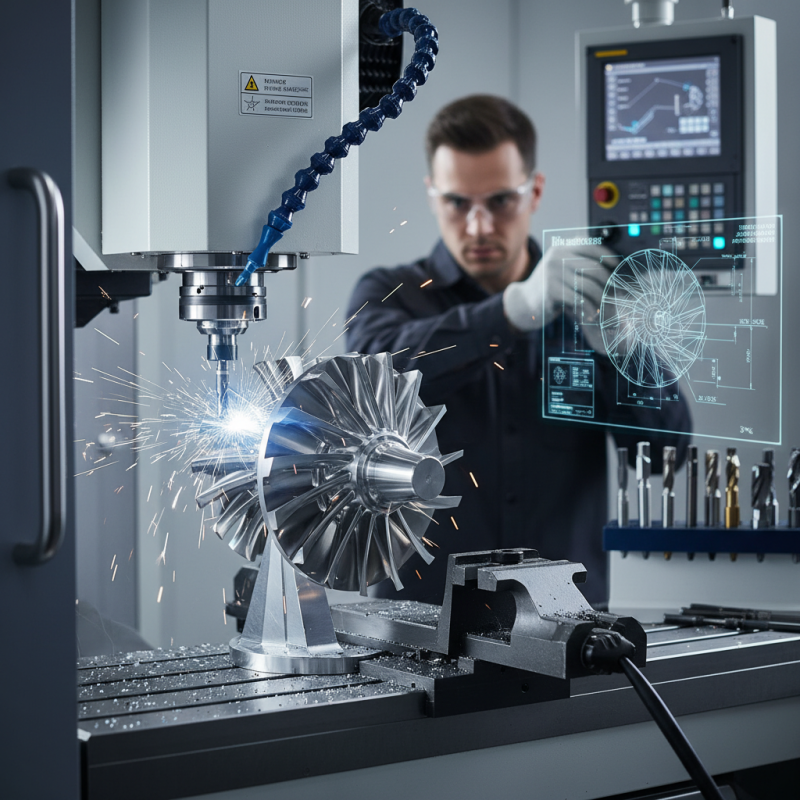
Precision in machining operations is a crucial factor for producing quality parts. Machining involves removing material to achieve the desired shape and size. Understanding precision helps in minimizing errors and enhancing the final product's reliability. Precision is not just about tight tolerances; it encompasses consistency, repeatability, and accuracy.
Operators must consider several factors affecting precision. Tool selection plays a significant role. The right tools reduce wear and improve results. Machine calibration is equally vital. Regular checks ensure machines operate within specified limits. Additionally, environmental factors such as temperature and humidity can impact precision. Maintaining a stable environment is essential to avoid distortions in material properties.
Mistakes are part of the learning process. Sometimes, even experienced machinists face challenges. For instance, unexpected tool wear may occur, leading to flaws in parts. Such issues require reflection and adjustments. Taking time to analyze failures can lead to better practices. Sharing experiences within the team fosters a culture of improvement. Continuous feedback loops can drive innovation in machining precision.
Machining precision is affected by various factors that need careful consideration. Tool selection plays a vital role. For example, using an inappropriate tool can reduce precision by up to 30%. Material properties also impact results. Hard materials require different machining strategies compared to softer ones. Understanding these differences is crucial.
Environmental conditions matter as well. Temperature fluctuations can lead to dimensional changes in materials. Studies have shown temperature variations can cause errors in machining that range from .001 to .005 inches. Regular calibration of machines can help maintain accuracy, but it often gets overlooked. Operators must be trained to detect these issues.
Despite advancements in technology, human error remains a significant factor. Improper setup can lead to costly mistakes. Research indicates that nearly 15% of machining defects arise from operator neglect. A culture of continuous improvement is essential. Regular audits and feedback sessions can aid in identifying weak spots in the machining process. Addressing these issues fosters better precision and reliability in operations.
Enhancing measurement accuracy is crucial in machining operations. Precise measurements directly impact product quality. According to a recent industry report, errors in measurement can lead to production costs increasing by up to 30%. This emphasizes the need for effective techniques to boost precision.
One technique is the use of coordinate measuring machines (CMMs). CMMs allow for detailed analysis of part dimensions. They can achieve accuracy within 0.001 mm under optimal conditions. However, human factors can introduce variability. Proper training and calibration are essential to maximize their effectiveness. Regular maintenance checks can also prevent deviations.
Another method involves the integration of laser scanning technology. Laser scanners can quickly capture geometrical data of a workpiece. This equipment can reduce the inspection time significantly, yet it requires careful setup. If not properly aligned, the results may be inconsistent. Investment in high-quality equipment, along with skilled personnel, is key. Reflecting on these aspects helps organizations identify potential pitfalls in measurement practices.
Implementing advanced machining technologies can significantly enhance precision in manufacturing. According to a report by the International Journal of Advanced Manufacturing Technology, precision machining can improve efficiency by 40% when utilizing modern tools and methods. Utilizing CNC machines allows for consistent repetition of precise measurements. This automation reduces human error, which traditionally leads to discrepancies.
Tip: Training your workforce is vital. Ensure that operators are well-versed in the latest machining technologies. Their skills directly impact the overall precision of the operations.
Adopting technologies like additive manufacturing also helps improve precision. A report by Deloitte notes that companies using these techniques can achieve tolerances of 0.1 mm, a remarkable feat compared to traditional methods. However, integrating such technologies presents challenges. Not all workers may be ready for the transition. Resistance to change is common in many organizations.
Tip: Implement a gradual transition. Start with pilot projects to allow staff to acclimate to new tools. This can lead to more successful long-term adoption of advanced machining technologies.
This bar chart illustrates the precision levels achieved by different advanced machining technologies measured in microns. As technology advances, the precision of machining operations is significantly enhanced, highlighting the effectiveness of modern manufacturing solutions.
Continuous monitoring in machining operations is essential for achieving high precision. It involves real-time data collection and analysis during production. Sensors play a crucial role in detecting unexpected deviations. They send alerts when a tool wears out or a machine malfunctions. Regular checks can prevent waste and enhance overall quality.
Quality control practices further support precision improvements. Implementing statistical process control can identify trends and variations in production. This method helps in establishing baselines and determining acceptable limits. However, relying solely on metrics can sometimes overlook qualitative aspects. Operators need to evaluate processes through comprehensive inspections. Regular training for staff ensures better adherence to protocols.
Reflecting on these practices can reveal areas for growth. Some operators may resist technology changes, sticking to familiar methods. This reluctance can hinder precision improvements. Engaging teams in continuous learning fosters a culture of quality and innovation. Embracing even minor adjustments can lead to significant efficiency boosts.
: Several factors affect machining precision, including tool selection and material properties.
Using the wrong tool can decrease precision by about 30%. Choosing the right tool is essential.
Temperature changes can cause dimensional errors, ranging from .001 to .005 inches.
Regular machine calibration can maintain precision, but it's often overlooked. Operators must prioritize this.
Human error is a major factor, accounting for 15% of machining defects. Proper setup is crucial.
Well-trained operators can significantly enhance operational precision. Their skills are vital for success.
Modern tools can improve efficiency by up to 40% and reduce human error.
Not all workers adapt easily to change. Resistance to new methods can hinder progress.
Gradual transitions, such as pilot projects, can help staff adjust to new tools and methods.
Regular audits and feedback can identify weaknesses, fostering better precision and reliability in operations.
Improving precision in machining operations is crucial for achieving high-quality results in manufacturing processes. To effectively enhance precision, it is essential to understand the fundamental aspects of machining operations, including the key factors that influence precision such as tool wear, machine calibration, and material properties. Techniques aimed at increasing measurement accuracy, such as utilizing advanced measurement tools and calibration methods, play a significant role in this improvement.
Moreover, implementing advanced machining technologies, such as CNC machining and automated systems, can significantly boost precision levels by reducing human error and enhancing control over the machining process. Continuous monitoring and robust quality control practices further ensure that machining operations maintain high precision standards over time. By integrating these strategies, manufacturers can learn how to improve precision in machining operations, leading to better product quality and operational efficiency.

Nuplanta CNC