In the global manufacturing landscape, understanding which factors influence machining cost is crucial for buyers. Various elements impact these costs, affecting decisions and strategies. Quality of materials, complexity of designs, and labor expertise play significant roles in overall pricing. Each factor often has unexpected consequences.
Materials are not universally priced. Prices fluctuate based on market demand and availability. Understanding these variations is vital for cost-effective solutions. Moreover, the intricacies of a design can lead to increased machining time and costs. Buyers need to assess their design's feasibility in relation to machining methods.
Labor also significantly affects machining costs. Skilled labor often commands higher wages, yet it ensures better quality. However, less experienced workers may produce subpar results. This presents a challenge: balancing cost and quality remains complex. Ultimately, knowledge of machining cost influencers is essential for informed purchasing decisions.
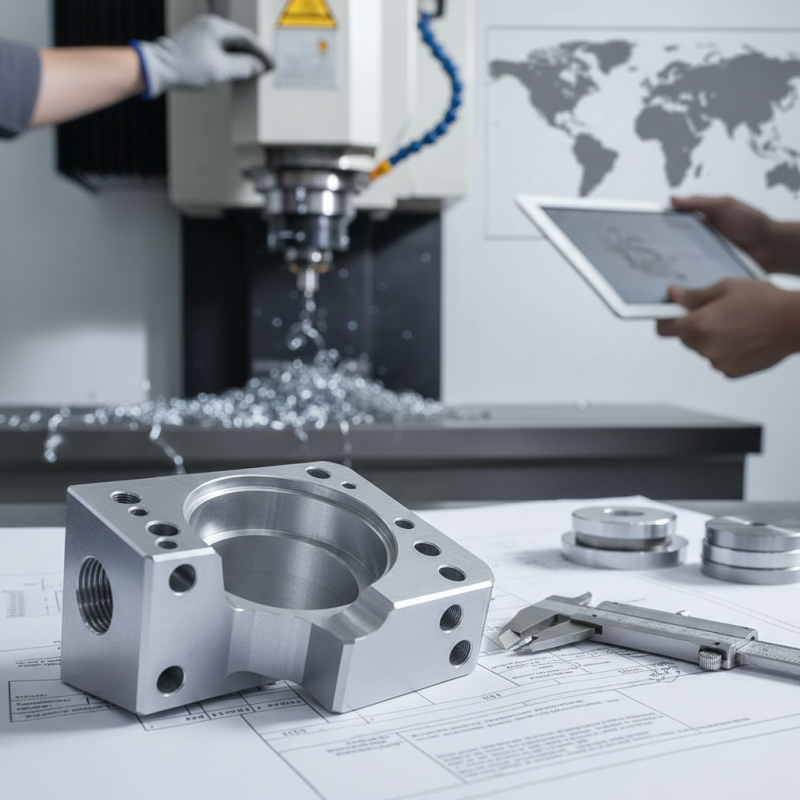
Material selection plays a crucial role in machining costs. Different materials have distinct properties that affect processing techniques and time. For example, metals like aluminum are easier to machine compared to harder materials like titanium. This disparity directly impacts labor and equipment costs.
Machinists must evaluate the trade-offs when choosing materials. While a cheaper material may reduce upfront costs, it could lead to higher processing times and tooling wear. This can result in long-term expenses that outweigh initial savings. Understanding the material's behavior during machining is vital; not all materials are equally forgiving.
Buyers should also consider market availability. Some materials may experience price fluctuations based on demand and supply. This uncertainty can complicate budgeting. Additionally, environmental regulations around material sourcing can influence overall costs. Sustainable materials might come at a premium but offer long-term value. Recognizing these factors is essential for making informed decisions in the machining process.
Labor costs significantly affect global machining prices. According to a recent report by the International Federation of Robotics, labor represents 20-30% of total machining costs. In regions with higher labor rates, such as North America and Western Europe, manufacturers face increased operational expenses. This can lead to a substantial rise in product pricing, which may make local production uncompetitive.
Conversely, countries with lower wages, often in Asia, can offer reduced machining costs. A study from the World Bank indicates that countries like China and India boast labor costs that are 30-50% lower than those in developed nations. However, these figures can sometimes oversimplify the complexities involved. Businesses must consider quality, expertise, and the potential trade-offs in production capabilities.
Moreover, labor costs are not static; fluctuations can occur due to economic conditions, government policies, or labor market dynamics. Social issues, such as worker rights and labor strikes, can also impact operations. Companies must remain agile and adaptable in their strategies to navigate these factors effectively while managing costs.
Machining costs are influenced by various factors in equipment and technology. Choosing the right machine can drastically affect production efficiency. For instance, CNC machines often yield higher precision and reduced waste. However, they come with a hefty initial cost. Buyers should weigh long-term savings against upfront expenses.
Technology plays a critical role. Advanced software can optimize machining processes, minimizing downtime. Yet, ongoing training is necessary. Not all staff may adapt quickly to new systems. This gap can lead to inefficiencies and increased costs. Furthermore, equipment maintenance cannot be overlooked. Regular upkeep is essential to ensure optimal performance and longevity.
Another consideration is material choice. Different materials require different machining techniques, impacting both cost and time. While some materials are cheaper, they may demand more complex machining methods. This trade-off needs careful evaluation. Buyers should reflect on their specific needs versus their budget constraints. Understanding these factors can help in making informed decisions on machining investments.
| Factor | Impact on Cost (%) | Notes |
|---|---|---|
| Material Type | 20 | Different materials have varying costs and machinability. |
| Complexity of Design | 25 | More complex designs require more time and precision. |
| Machining Technology | 15 | Advanced technologies can reduce time and improve quality. |
| Volume of Production | 30 | Higher volumes typically lead to lower per-unit costs. |
| Labor Costs | 10 | Varies based on location and expertise of workforce. |
| Lead Time Requirements | 5 | Shorter lead times may increase costs. |
Supply chain dynamics play a pivotal role in determining machining costs for global buyers. Various factors influence these costs. Material availability greatly impacts pricing and lead times. A shortage of raw materials can drive prices up. When supply chains are stretched, buyers face higher costs and delays.
Transport logistics also factor significantly into machining expenses. Shipping delays or increased freight charges add direct costs. Additionally, trade policies and tariffs can shift pricing unexpectedly. Buyers often need to adapt quickly to sudden changes in policy or market conditions. Relying on one supplier can create vulnerabilities.
Moreover, global events like **pandemics** or **geopolitical tensions** create uncertainty. Such disruptions can quickly escalate costs and alter machining timelines. Navigating these complexities requires agility and foresight. Buyers must stay informed about market trends and supplier reliability. Engaging multiple suppliers can spread risks. However, this approach needs careful management to maintain quality and consistency.
The interplay of these elements makes understanding supply chain dynamics essential for cost control in machining.
Geopolitical factors significantly impact machining costs for global buyers. Trade tariffs, for example, can drastically alter pricing structures. When countries impose tariffs on imported materials, the cost of sourcing these components rises. This can lead to increased production costs for manufacturers. Buyers must be aware of these changes and factor them into their budgets.
Additionally, political instability can disrupt supply chains. Conflicts or sanctions may hinder the ability to acquire necessary parts. This uncertainty can result in higher lead times and costs. It is essential for buyers to stay informed about the geopolitical landscape. Regular assessments can help anticipate changes that may affect pricing.
Currency fluctuations also play a role in machining costs. A weak currency can increase the price of imported goods. If a buyer’s currency weakens, the overall expense of production may rise unexpectedly. This necessitates careful financial planning. Ultimately, understanding these geopolitical dimensions can help global buyers make informed decisions.
: Labor costs can make up 20-30% of total machining expenses. Higher rates in certain regions raise product prices.
Labor costs can change due to economic conditions, policies, or social issues. Companies should adapt their strategies accordingly.
The right machines impact production efficiency significantly. For example, CNC machines provide accuracy but have high initial costs.
Advanced technology can minimize downtime and improve processes. However, staff training is also necessary to avoid inefficiencies.
Yes, different materials require various techniques. Cheaper materials may involve complex machining, affecting overall costs and time.
Trade tariffs can increase component prices, and political instability may disrupt supply chains, leading to higher production costs.
A weak currency can raise import costs unexpectedly, necessitating careful financial planning for buyers.
Yes, staying informed allows buyers to anticipate changes that could impact pricing and help adjust budgets effectively.
Yes, ongoing training is vital for adapting to technology, and regular maintenance is crucial for optimal equipment performance.
Companies should evaluate their specific needs, budget constraints, and the balance between upfront costs and long-term savings.
The article "What Factors Influence Machining Cost for Global Buyers?" explores various elements that dictate machining costs on a global scale. One significant factor is material selection, as the choice of materials can lead to varying costs based on availability and the complexity of machining required. Labor costs also play a crucial role, with regional wage differences affecting overall pricing and competitiveness in the machining sector.
Moreover, advancements in machining equipment and technology can lead to increased initial expenditures but may offer long-term savings through improved efficiency. The dynamics of the supply chain, including logistics and raw material sourcing, further impact machining costs. Finally, geopolitical factors, such as trade policies and international relations, can introduce variables that significantly affect pricing for global buyers. Understanding which factors influence machining cost is essential for making informed decisions in procurement and manufacturing strategies.

Nuplanta CNC