To ensure long term performance of CNC machines, it's crucial to understand how to maintain CNC machines for long term performance. Regular maintenance not only enhances efficiency but also prolongs the lifespan of these machines. Yet, many operators overlook simple maintenance tasks, leading to bigger issues later on.
Routine checks are essential. This includes inspecting the coolant levels, cleaning filters, and lubricating moving parts. Neglecting these basic steps can result in mechanical failures and increased downtime. Operators must be diligent in their approach. Developing a maintenance schedule can help catch problems early.
Moreover, understanding the machine’s specific needs is vital. Each CNC machine has unique requirements. Familiarity with the manufacturer’s guidelines ensures that you address all necessary maintenance tasks. Remember, a well-maintained machine is key to consistent production quality. Taking these steps today can yield significant benefits in the future.
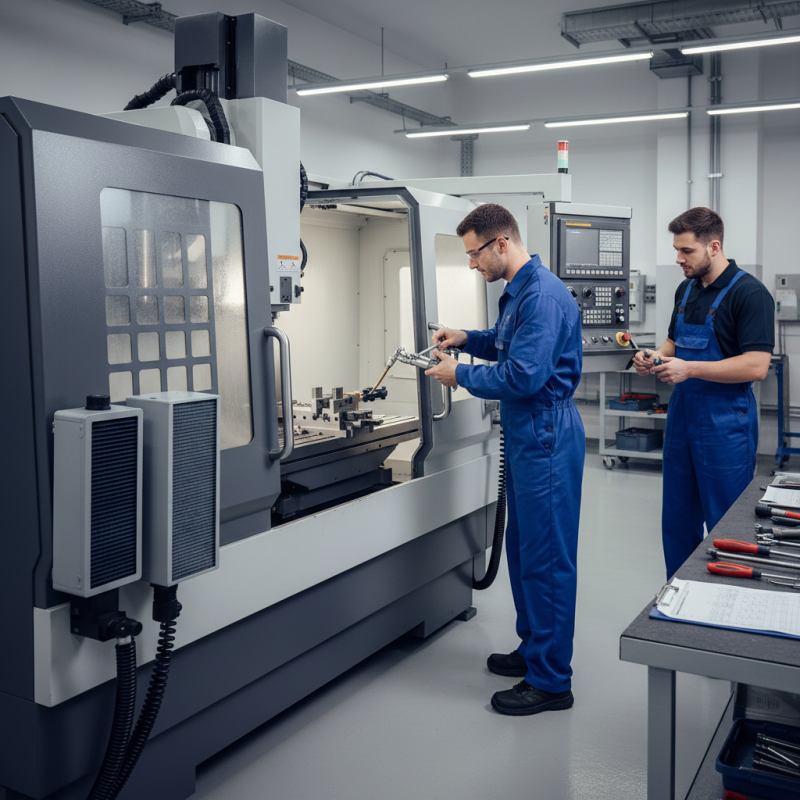
CNC machines have transformed manufacturing, yet their longevity often depends on proper care and understanding of their fundamentals. Regular maintenance is essential. A study by the National Institute of Standards and Technology revealed that poorly maintained CNC machines can lose up to 20% of their performance efficiency.
To ensure longevity, operators should focus on routine checks. Perform daily inspections on machine tools, software, and mechanical parts. Cleaning dust and debris can also prevent malfunctions. Issues like misalignment can often be corrected promptly, avoiding larger problems.
**Tip:** Use vibration analysis to detect potential failures early. This can greatly reduce unexpected downtimes. Moreover, operators should not overlook the importance of proper training. According to a report, 60% of CNC machine failures stem from operator mistakes. Providing consistent training can lead to both better performance and increased machine lifespan. Regular monitoring of cutting tools can also ensure that productivity remains high.
| Dimension | Recommended Value | Impact on Longevity |
|---|---|---|
| Temperature Control | 20-25°C | Prevents thermal expansion and contraction. |
| Lubrication Frequency | Every 40 hours of operation | Reduces wear and tear on moving parts. |
| Calibration Interval | Monthly | Maintains accuracy and precision of cuts. |
| Dust Contamination Control | Regular cleaning | Prevents mechanical failure due to debris. |
| Electrical Maintenance | Biannual checks | Avoids electrical failures and shorts. |
Regular maintenance is crucial for CNC machines. It helps ensure consistent performance and extends their lifespan. Begin with daily checks. Inspect coolant levels, ensure proper lubrication, and clean chips from the workspace. These small steps prevent larger issues down the line.
Weekly and monthly maintenance is also necessary. Check the alignment of the machine. Misalignment can lead to inaccuracies in production. Inspect ball screws and guideways for wear. If they show signs of damage, replacing them promptly is essential. Regularly updating software is often overlooked. Software glitches can disrupt operations.
Consider creating a maintenance log. This document tracks service dates and issues. It helps identify patterns over time. Reflecting on past maintenance can guide future actions. A proactive approach can save costs and time, ensuring long-term performance.
Monitoring and diagnostic techniques are vital for ensuring the long-term performance of CNC machines. Regular assessments can prevent unexpected downtime and maintain production efficiency. According to recent industry reports, proactive monitoring can increase machine availability by as much as 20%. This is achieved by identifying issues before they escalate into costly repairs. Implementing industry-standard diagnostic tools helps in tracking real-time performance metrics, making it easier to spot anomalies.
Effective monitoring focuses on key performance indicators (KPIs). These include spindle speed, feed rates, and tool wear. Analyzing these metrics allows for early intervention. For example, tools that show excessive wear can lead to reduced part quality. Regular tool inspections and scheduled maintenance can mitigate this risk.
Tips for effective monitoring include using sensors to gather continuous data and employing software for real-time analytics. Implementing a maintenance schedule based on data insights is also recommended. Sometimes, even minor adjustments can significantly enhance efficiency. Nevertheless, some manufacturers resist change, which can result in missed opportunities for improvement. Consider the implications of stagnation on your operations. The right monitoring techniques can transform your CNC machine performance and lead to sustainable production gains.
Upgrading and retrofitting CNC machines can significantly enhance their performance and extend their lifespan. Many manufacturers overlook this crucial step. Regular assessments reveal wear and tear that may hinder machine efficiency. Consider installing new control systems that improve responsiveness. Enhanced software can also optimize production processes. These upgrades often lead to better precision and speed.
Evaluating existing machinery is essential. Sometimes, retrofitting components can be more beneficial than investing in a new machine. Identify outdated parts that could be replaced. For instance, older spindles may affect accuracy. Replacing them with modern alternatives can yield substantial gains. Moreover, integrating newer technologies can provide real-time data for better decision-making.
However, upgrading involves costs and training. Staff may need time to adapt to new systems. This transition can be challenging. Frequent feedback from operators aids in assessing the upgrade effectiveness. Monitoring performance post-upgrade is vital to ensure that improvements meet goals. Embrace a culture of continuous evaluation to keep machines optimal.
Training operators effectively is crucial for the long-term performance of CNC machines. Operators need hands-on experience and continuous education to grasp the intricacies of these machines. Regular workshops foster a deeper understanding of how to care for the equipment. They also enhance problem-solving skills. Unfortunately, many organizations overlook this essential aspect. A lack of structured training can lead to inefficiencies and expensive downtime.
Operators should learn to perform routine maintenance tasks. Simple actions, like cleaning and lubrication, can prevent severe issues down the line. They must also understand the software and programming aspects of CNC machines. Misunderstandings in programming can cause costly mistakes. Encouraging operators to engage in discussions about machine challenges can lead to innovative solutions.
Investing in mentorship programs may also benefit operators. Experienced workers can share their invaluable knowledge. Peer-to-peer training encourages collaboration and skill sharing. However, it requires a commitment from management to prioritize ongoing education. Without proper support, even the best training initiatives may fall short. Regular assessments of operator skills can highlight areas for improvement.
: Regular maintenance ensures consistent performance and extends the machine's lifespan, preventing larger issues.
Daily checks are crucial. Inspect coolant levels, lubrication, and clean chips from the workspace.
Vibration analysis detects potential failures early, reducing unexpected downtimes and improving machine efficiency.
Around 60% of CNC failures stem from operator mistakes, highlighting the need for proper training.
Create a maintenance log to track service dates and issues, helping identify patterns and guide future actions.
Misalignment should be addressed promptly to avoid inaccuracies in production and larger problems later.
Regular assessments reveal wear. Upgrading or retrofitting can enhance performance and efficiency.
Staff may need time to adapt to new systems, making the transition to upgrades challenging.
Frequent feedback from operators and performance monitoring post-upgrade are vital for assessing improvements.
Retrofitting existing machinery can be more beneficial and cost-effective than investing in a new machine entirely.
To ensure the long-term performance of CNC machines, it's essential to understand their fundamentals, as this knowledge lays the groundwork for effective maintenance. Regular maintenance practices, including routine inspections and timely repairs, are crucial in preventing downtime and extending the lifespan of these machines. Moreover, effective monitoring and diagnostic techniques can help identify potential issues before they escalate, allowing for proactive solutions.
Implementing upgrades and retrofits can further enhance machine efficiency and longevity, adapting technology to meet evolving production demands. Additionally, training operators to optimize CNC machine utilization and care is vital, as skilled operators can significantly reduce wear and tear. Ultimately, knowing how to maintain CNC machines for long-term performance involves a combination of technical understanding, diligent maintenance, vigilant monitoring, strategic upgrades, and comprehensive operator training.

Nuplanta CNC