What Makes a Machining Process Efficient for Global Buyers?

Time:2026-05-28 Author:Charlotte
0%

In the competitive landscape of global manufacturing, understanding what makes a machining process efficient is crucial for buyers. According to a report by McKinsey, efficiency gains in machining can lead to a 20% reduction in costs. Precision, speed, and adaptability are critical factors that influence this efficiency. Buyers increasingly prioritize these elements to maintain competitiveness.

Various studies highlight the importance of technology integration. For example, the use of advanced CNC (Computer Numerical Control) machines can enhance precision, reducing errors by up to 30%. However, this requires significant investment and skilled operators. Many companies struggle to find that balance, leading to inefficiencies. In some cases, smaller operations might not afford the latest technology, highlighting the diversity in efficiency across sectors.

Ultimately, what makes a machining process efficient does not solely rely on technology. Process optimization and workforce training play vital roles. The challenge is to implement these improvements consistently while adapting to market demands. This ongoing reflection is essential for manufacturers aiming for enhanced efficiency and better outcomes.
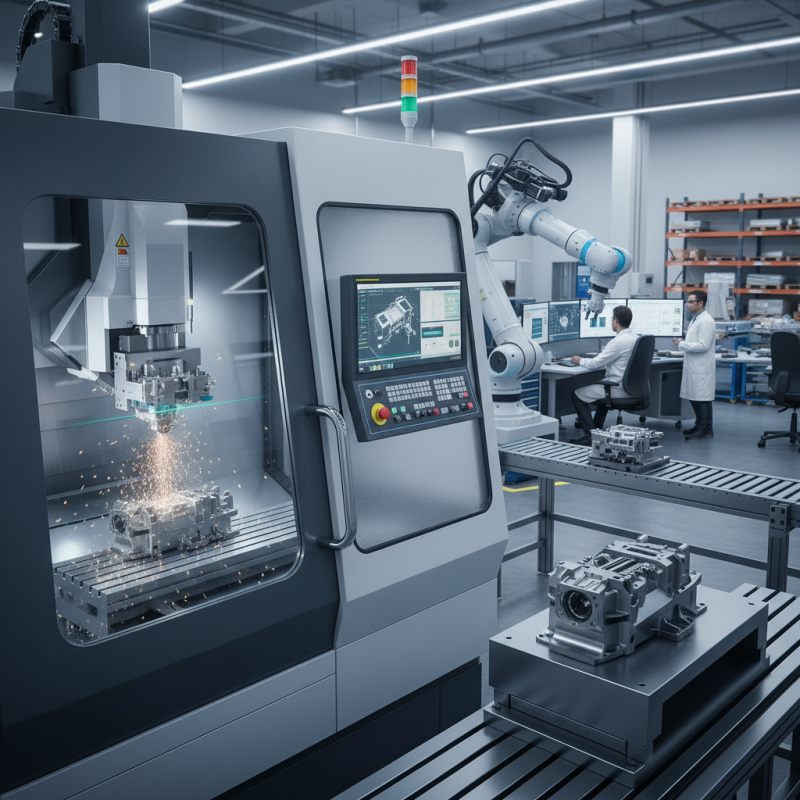
What Makes a Machining Process Efficient for Global Buyers?

What Defines Efficiency in Machining Processes?

Efficiency in machining processes is defined by several key factors. One crucial aspect is time management. Reducing cycle times can significantly enhance output. This can be achieved through effective scheduling and the timely delivery of raw materials. Moreover, precise tool selection plays a vital role. Choosing the right cutting tools can minimize tool wear and enhance surface finish quality.

Another significant element is resource utilization. Efficient processes make optimal use of machines and materials. This requires ongoing monitoring and feedback. Machine operators should regularly assess performance and identify bottlenecks. Sometimes, even small adjustments can lead to substantial improvements. Regular maintenance also cannot be overlooked. Frequent checks can prevent downtime and prolong equipment lifespan.

Additionally, workforce training is essential. Skilled operators can make informed decisions quickly, improving efficiency. They should be encouraged to share insights to refine processes. However, the challenge remains in balancing automation with human expertise. Over-reliance on machines can lead to skill atrophy among workers. Monitoring and managing this balance is crucial for long-term efficiency.

Key Factors Influencing Machining Cost-Effectiveness

Cost-effectiveness is vital for global buyers in the machining industry. Various factors influence the pricing of machining services. Material costs play a significant role. Superior materials can increase durability but may not fit budget constraints. Balancing cost and quality is essential.

Labor expenses also impact machining costs. Skilled labor can enhance production efficiency. However, regions with high labor costs may drive prices up. Thus, sourcing from areas with a vast talent pool is crucial for competitive pricing. Automation could help streamline labor needs, leading to long-term savings.

Additionally, the machining process itself affects overall efficiency. Techniques such as CNC machining allow for precision but require substantial upfront investment. Companies must evaluate the return on such investments carefully. Understanding local market conditions and supply chain reliability further complicates this landscape. Buyers need to analyze and adapt their strategies to achieve optimal efficiency.

The Role of Technology in Enhancing Machining Efficiency

Technology plays a pivotal role in enhancing machining efficiency. Advanced robotics and automation streamline repetitive tasks. This reduces human error and increases precision. Automation not only speeds up production but also minimizes downtime. Machines equipped with smart sensors can provide real-time feedback. This helps in immediate adjustments, leading to better quality control.

Implementing digital tools can further optimize processes. For instance, CAD/CAM software significantly reduces design time and facilitates intricate machining. However, not all companies fully leverage such tools. There is often resistance to change, which can limit efficiency. Training employees on new technology is an ongoing challenge. Some workers may feel overwhelmed by rapid advancements.

It's crucial to stay updated with industry trends. Regular investments in new technologies can yield substantial returns. Embracing cloud-based solutions can enhance collaboration among global teams. Meanwhile, some companies have yet to adopt these innovations, risking obsolescence. Continuous improvement is essential, but it requires open-minded leadership. Reflecting on internal processes can reveal potential upgrades that enhance efficiency.

Evaluating Supplier Capabilities for Global Buyers

Evaluating supplier capabilities is crucial for global buyers in machining processes. A competent supplier can ensure high-quality output. Buyers should check for certifications and compliance with industry standards. This guarantees that the supplier adheres to safety and quality norms.

Experience matters. A supplier with years in machining understands market trends and customer needs. They can adapt to changes swiftly. Communication is also key. Buyers must assess how effectively suppliers convey updates and address concerns. This indicates their reliability over time.

However, not all assessments will yield perfect results. Some suppliers may promise more than they can deliver. Buyers should conduct site visits to observe operations. This can reveal strengths and weaknesses. Ultimately, a comprehensive evaluation helps build lasting partnerships in the machining industry.

Sustainability Practices in Machining for Long-Term Efficiency

Sustainability is now a key focus in machining processes. For global buyers, implementing effective sustainability practices can enhance long-term efficiency. Research indicates that adopting eco-friendly methods can reduce energy consumption by up to 30%. This is crucial as energy costs continue to rise. Moreover, minimizing waste during production not only conserves resources but also lowers disposal costs.

Incorporating advanced technologies like CNC machines and IoT can streamline operations and minimize emissions. According to a recent report, automated machining processes have shown a 25% increase in resource efficiency. However, challenges remain. Many companies struggle to balance sustainability with traditional practices. Regular assessments are necessary to identify areas where improvements can be made.

Investing in sustainable materials can also yield significant benefits. Studies show that switching to biodegradable lubricants can cut harmful emissions significantly. Yet, the initial cost can deter some buyers. Balancing cost and sustainability is not straightforward. It requires a commitment to continuous improvement and adaptation. Global buyers could benefit from sharing best practices within the industry to pave the way for a more sustainable future.

FAQS

: What factors influence machining cost-effectiveness?

: Key factors include material costs, labor expenses, and the machining process efficiency.

How do material costs affect machining?

Higher quality materials can increase durability but may exceed budget limits.

Why are labor expenses important in machining costs?

Skilled labor improves efficiency, but high labor costs can raise prices.

How can automation impact machining costs?

Automation can reduce labor needs and provide long-term savings.

What is the role of sustainability in machining?

Sustainability can enhance efficiency and reduce energy costs, helping long-term viability.

How much can eco-friendly methods reduce energy consumption?

Studies show eco-friendly practices can cut energy use by up to 30%.

What challenges do companies face with sustainability practices?

Balancing traditional methods and sustainable practices often proves difficult.

What benefits do advanced technologies offer in machining?

Technologies like CNC machines can improve resource efficiency by about 25%.

Are there cost concerns when switching to sustainable materials?

Yes, initial costs for sustainable materials can deter some buyers.

How can companies achieve continuous improvement in machining?

Regular assessments are needed to identify and implement efficiency improvements.

Conclusion

Efficient machining processes are crucial for global buyers aiming to balance cost and quality. What makes a machining process efficient includes several key factors, such as the precise definition of efficiency, which encompasses not only speed but also accuracy and waste reduction. Cost-effectiveness is heavily influenced by these factors, alongside the selection of advanced technologies that streamline operations and enhance productivity.

Additionally, evaluating supplier capabilities is essential for buyers to ensure they can meet international standards and response times. A focus on sustainability practices further contributes to long-term efficiency in machining, as it fosters responsible resource use and minimizes environmental impact. By understanding these elements, global buyers can make informed decisions that optimize their machining processes and deliver greater value.

Charlotte

Charlotte

Charlotte is a seasoned marketing professional with a deep understanding of the company's portfolio and a passion for elevating its presence in the market. With a keen eye for detail and a commitment to excellence, she ensures that our professional blog is regularly updated with insightful articles......