How to Maintain CNC Machines for Long Lasting Performance?

Time:2026-08-01 Author:Sophia
0%

CNC machines play a pivotal role in modern manufacturing. Ensuring their long-lasting performance is crucial for productivity and cost efficiency. According to industry expert John Smith, “Regular maintenance is the key to maximizing the lifespan of your CNC equipment.” This highlights the importance of understanding how to maintain CNC machines for long term performance.

CNC machines require regular attention. Neglecting these machines can lead to costly downtime and repairs. John Smith emphasizes the need for scheduled maintenance checks. Small issues can escalate quickly if not addressed. Regular inspections can catch problems before they become serious.

In addition, operators should be trained in proper usage and maintenance procedures. Knowing how to operate machinery safely extends its life. While some may overlook the details, these small efforts make a notable difference. Reflecting on maintenance practices can yield significant benefits. By committing to a consistent maintenance routine, companies can ensure their CNC machines remain reliable for years to come.
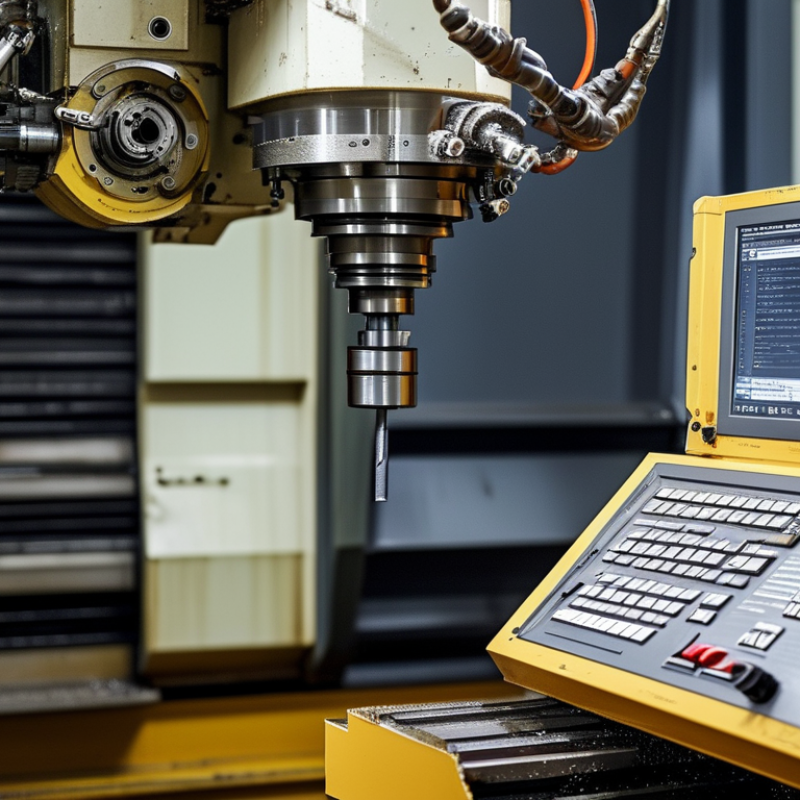
How to Maintain CNC Machines for Long Lasting Performance?

Understanding the Importance of CNC Machine Maintenance

CNC machine maintenance is crucial for ensuring long-lasting performance. Regular upkeep prevents unexpected breakdowns and extends the machine's lifespan. Operators should prioritize routine inspections and cleaning. Ignoring small issues can lead to larger, more costly repairs. Dust and debris accumulation is common, yet it’s often overlooked. A simple cleaning can enhance precision and performance.

The importance of lubrication cannot be underestimated. Proper lubrication reduces friction, promoting smoother operation. However, over-lubrication is also a concern. Finding the right balance is essential. Operators must regularly check oil levels and replace fluids according to the manufacturer’s guidelines. Skipping this step can lead to wear and tear, damaging critical components.

Employees dealing with CNC machines should receive training on maintenance best practices. Knowledge gaps can cause mistakes in handling machinery. Documenting maintenance logs can also help track the machine's performance over time. This practice highlights trends and patterns that may require attention. Developing a proactive approach fosters a culture of reliability. Ignoring these aspects often leads to regrets when machines fail.

Daily Maintenance Tasks for Optimal CNC Performance

Regular daily maintenance is crucial for CNC machines to ensure optimal performance. Start by inspecting the tool holders and cutting tools. Look for wear and replace if necessary. Clean the work area to prevent debris from affecting machine movements. A clean workspace reduces errors during operation.

Lubrication is another vital task. Check oil levels daily and ensure all moving parts have adequate lubrication. Insufficient lubrication can cause wear and tear, resulting in costly repairs. Don't overlook the coolant levels; they help maintain temperature and performance during machining processes.

It's important to perform visual checks on the machine's wiring and components. Over time, vibrations can lead to loose connections. Tighten any loose screws or bolts you spot. If you encounter persistent issues, document them for future reference. Reflect on areas where maintenance could improve machine longevity.

Scheduled Inspection and Calibration Procedures

Scheduled inspection and calibration procedures are crucial for maintaining CNC machines. Regular checks can help identify wear and tear early. This includes examining components like spindles, motors, and guides. Establishing a routine inspection schedule is essential. Aim for weekly visual checks and monthly in-depth assessments.

Calibration ensures that machines operate within specified tolerances. This step directly impacts precision and quality. Using calibration tools, measure axes and adjust as necessary. Over time, slight misalignments can develop. Addressing these promptly saves time and resources.

Maintaining a log of inspections and calibrations is vital. Keep a record of dates, findings, and corrective actions taken. This data serves as a reference for future maintenance needs. Without a proper log, it becomes challenging to track issues or improvements. Recognizing patterns in maintenance can guide future efforts. Reflections on past inspections can reveal persistent problems. This proactive approach enhances long-term performance.

Common Issues and Troubleshooting Tips for CNC Machines

CNC machines can face various problems that impact their efficiency. One common issue is misalignment during operation. This can result in inaccurate cuts and wasted materials. Regular checks for alignment and calibration are essential. Use a dial indicator to ensure the spindle and tool holder are properly aligned. It may seem tedious, but it avoids costly mistakes.

Another frequent problem is excessive wear on components. The bearings and screws require regular inspection for signs of wear. If left unchecked, they can lead to more significant issues down the line. Keep a log of maintenance activities. This record helps identify patterns, allowing for proactive repairs before failures occur. Remember, small signs of wear might be overlooked, but they can lead to larger disruptions.

Lubrication is vital for smooth operation, yet many overlook it. Each machine has specific lubrication needs based on usage. Clean any buildup in grease points regularly. Lubricating poorly can cause friction, leading to breakdowns. A simple routine can extend the machine's lifespan. Taking a moment to reflect on these aspects aids in avoiding pitfalls later on.

Best Practices for Lubrication and Cooling System Management

Effective lubrication and cooling system management are critical for the longevity of CNC machines. According to industry reports, nearly 30% of machine failures stem from inadequate lubrication. Proper lubrication not only reduces friction but also prevents overheating, which can significantly extend operational life. The American Society of Mechanical Engineers (ASME) recommends changing lubricants regularly to ensure optimal performance.

Cooling systems require equal attention. Inefficient cooling can lead to thermal expansion and inaccuracies in machining. A significant percentage of operators overlook coolant maintenance, leading to decreased efficiency and machine wear. Regularly monitoring coolant levels and types can optimize cutting performance.

Manufacturers suggest checking coolant concentration monthly, ensuring maximum efficiency. Addressing potential issues in lubrication and cooling is an investment in machine reliability.

Despite best practices, many users struggle to maintain consistency. The complexity of modern machines can lead to oversights. A review of maintenance logs often reveals skipped lubrication cycles. It's crucial to create detailed schedules and training programs to enhance operator awareness.

Regular audits of lubricants and coolants used can foster a culture of excellence, encouraging operators to take pride in their maintenance routines.

FAQS

: Why is regular CNC machine maintenance important?

: Regular maintenance prevents breakdowns and extends machine lifespan. It ensures optimal performance and reliability.

What should be prioritized during routine inspections?

Operators should inspect and clean tool holders, cutting tools, and the work area. Keeping it clean prevents debris-related errors.

How often should lubrication be checked?

Lubrication should be checked daily. Adequate lubrication reduces friction and enhances machine operation.

What issues can arise from improper lubrication?

Over-lubrication or insufficient lubrication can cause wear and tear. This may lead to costly repairs in critical components.

How can operators enhance their maintenance skills?

Operators should receive training on best practices. Documenting maintenance logs helps track performance and identify patterns.

What can be done to ensure a clean workspace?

Consistently clean the work area. This reduces the chances of errors during machining and improves performance.

What should be included in daily maintenance checks?

Daily checks should focus on tool wear, coolant levels, and wiring connections. Document any persistent issues for future reference.

How often should coolant levels be checked?

Coolant levels should be checked daily. They help maintain temperature during machining processes to ensure consistency.

What happens if small maintenance issues are ignored?

Ignoring small issues can lead to larger problems down the line. It often results in regrets when machines eventually fail.

Is operator awareness of maintenance practices enough?

Awareness is critical, but regular reflection on maintenance practices is necessary too. Continuous improvement leads to better machine longevity.

Conclusion

Maintaining CNC machines is crucial for ensuring their long-term performance and reliability. Understanding the importance of regular maintenance helps prevent unexpected downtimes and enhances the efficiency of machining operations. Daily maintenance tasks, such as cleaning and checking for wear, are essential for optimal CNC performance. Additionally, implementing scheduled inspection and calibration procedures allows for early detection of potential issues, promoting longevity and precision.

Moreover, being aware of common issues and troubleshooting tips can save time and resources. Best practices for lubrication and managing cooling systems are also vital components of effective maintenance. In summary, knowing how to maintain CNC machines for long-term performance involves a combination of routine tasks, proper inspections, and preventive measures, all aimed at maximizing the operational lifespan of these critical tools.

Sophia

Sophia

Sophia is a dedicated marketing professional with an exceptional depth of knowledge about her company's products and services. With a keen understanding of market trends and customer needs, she crafts insightful blog posts that not only inform but also engage readers, enriching the company’s online......