China Top Machining Automation Why Is It Important?

Time:2026-11-15 Author:Liam
0%

Across China’s machining industry, automation is changing how workshops handle repetitive, precision-sensitive work. CNC lathes, robotic machine tending, automated tool measurement, and in-process probing can keep production moving with fewer manual interruptions. The gains are practical: steadier cycle times, more consistent parts, and better use of skilled workers. Yet the results depend on the process, not just the equipment.

That is why manufacturers ask, “why is automation important in machining processes”? It can reduce handling errors, support repeatable quality, and provide production data that helps teams spot delays. Shigeo Shingo, the industrial engineer associated with the Toyota Production System, is widely credited with saying, “The most dangerous kind of waste is the waste we do not recognize.” Automation can make some hidden losses easier to measure. It cannot explain every cause.

Details matter. A robot needs reliable part presentation, safe access, and a well-tested program. Tool wear, chip buildup, and unexpected material variation still demand attention. Automation is not a cure-all. A poorly planned cell can produce scrap faster. Smaller shops may also find integration and maintenance costs difficult to justify, especially when product runs change often.

For China’s machining businesses, the strongest case usually comes from matching automation to a clear bottleneck. Start with a measurable problem, such as long loading times or inconsistent inspection records. Then test the proposed setup under real production conditions. Better automation is not simply more machinery; it is a dependable process that people can monitor, maintain, and improve.
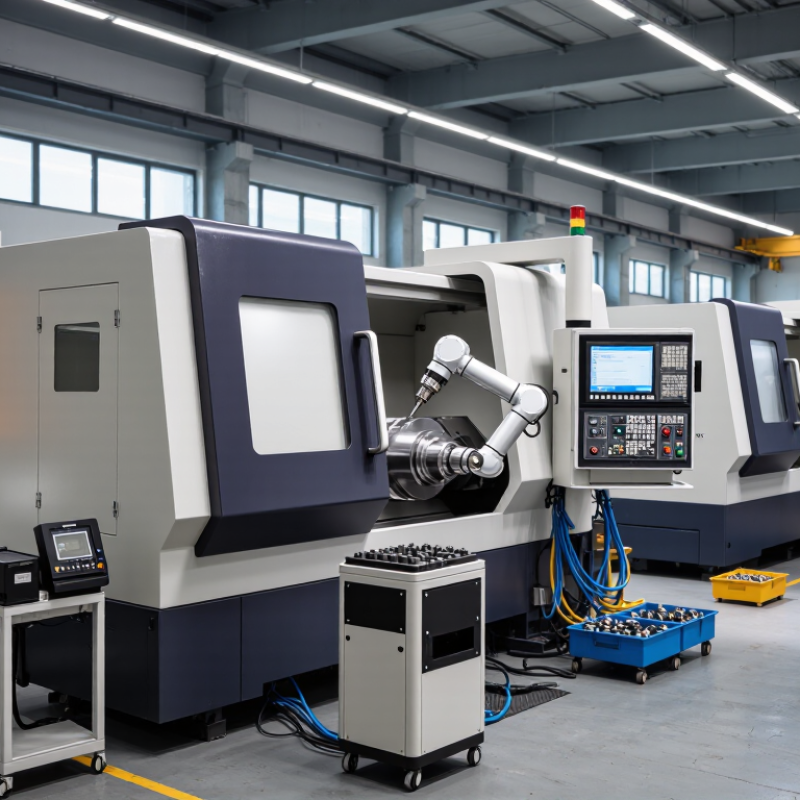
China Top Machining Automation Why Is It Important?

What Is Machining Automation?

Machining automation is the use of equipment and software to perform or coordinate production tasks with less manual handling. In a machine shop, this can include a robot loading metal blanks into a CNC machine, an automatic tool changer, or a probe checking a part’s dimensions. Sensors and control systems help machines respond to conditions such as tool wear or a misplaced component. Not magic. Operators still set up jobs, verify results, and respond to faults.

Automation can range from one machine tending a single CNC to a connected production cell that moves parts between machines. The International Federation of Robotics reported about 541,000 industrial robot installations worldwide in 2023, with 4.28 million robots operating globally, in its World Robotics 2024 report. These figures cover all industries, not machining alone, but show the scale of industrial automation. That distinction matters. A poorly planned cell may simply shift the bottleneck to inspection or material supply. A practical assessment starts with cycle times, part variation, and safe access for operators, then tests whether automated handling can reliably repeat the work.

How Does an Automated Machining System Work?

An automated machining system connects digital instructions, machine tools, material handling, and inspection in a controlled workflow. CAD geometry is translated into cutting paths using CAM software. Before a cycle starts, an operator verifies the raw stock, fixture position, tool offsets, and machine settings. Details matter. A small setup error can ruin a part.

During production, a robot or pallet changer loads a blank into the machine. The CNC controller guides the spindle and cutting tools through programmed operations, such as milling or drilling. Probes can check part position or dimensions, while sensors monitor conditions like vibration and tool load. If readings exceed set limits, the system can pause for inspection or adjustment.

The International Federation of Robotics reported 4,281,585 industrial robots operating worldwide at the end of 2023, in its World Robotics 2024 report. That figure covers many industries, not machining alone, but it shows the scale of industrial automation.

Automation can keep parts moving between operations with fewer manual transfers. It does not remove every human decision. Worn tools, poor clamping, or unclear programs still cause defects. Not magic.

In practice, teams need to review inspection results and refine process settings; even a well-designed cell may need several production runs before it behaves consistently.

How Has China Advanced Machining Automation?

China has advanced machining automation by combining CNC equipment, industrial robots, machine vision, and production software. In many workshops, robotic arms load metal blanks into turning or milling machines, while sensors track vibration, temperature, and tool wear. This reduces repetitive handling and helps operators spot problems before a batch is lost. Small details matter: a misaligned fixture can still spoil a precise cut.

Dense manufacturing networks have also helped equipment makers and factories test automation close to production lines. Standardized interfaces make it easier to connect machines with scheduling and quality systems. Operators can compare cycle times, inspect measurement records, and adjust tool paths with less manual data entry. The gains are not automatic.

Some facilities still rely on older machines that are difficult to connect. Others collect more data than staff can interpret. Integration, maintenance skills, and reliable calibration remain essential. A robot may work smoothly during a demonstration, yet struggle when part dimensions vary or production changes quickly. Progress is real, but uneven, and careful process engineering often matters more than adding another machine.

Why Is Machining Automation Important to Industry?

Machining automation matters because it makes production more predictable, not merely faster. Robotic loading, automatic tool changes, and in-machine probing can reduce idle time between operations. Operators spend less time moving fixtures and more time checking tool wear, dimensions, and process conditions. That shift matters on real shop floors.

The International Federation of Robotics reported 4.28 million industrial robots operating in factories in 2023. Its World Robotics 2024 report recorded a 10 percent increase from 2022. This figure covers manufacturing broadly, not machining alone, but it shows how widely automated production is being adopted. In a machining cell, steady loading and measured part checks can help reduce variation across long production runs.

Automation is not a magic fix. A poorly clamped part can still produce a costly mistake, only faster. Coolant, chip buildup, and tool wear need attention; lights-out production still depends on careful setup and monitoring. Small shops may also find integration and maintenance demanding. And downtime? It can expose weak planning. The most useful systems leave operators clear ways to inspect parts, respond to faults, and adjust the process when real conditions differ from the ideal setup.

Where Is Machining Automation Used, and What Challenges Does It Face?

Where Machining Automation Is Used, and What Challenges Does It Face?

Machining automation appears in automotive, aerospace, medical-device, and general engineering shops. Common tasks include loading CNC lathes, tending milling centers, changing tools, deburring edges, and moving parts to inspection. A robot can repeatedly place a heavy metal blank into a machine, while sensors check whether the fixture is seated correctly. The result is steadier production, especially across long runs. Small batches are less straightforward.

The International Federation of Robotics reported 541,302 industrial robot installations worldwide in 2023, with 4,281,585 units operating across industries. These figures describe factory robots broadly, not machining alone, but they show the scale of automation adoption. Real limits remain. A new part may need custom grippers, careful programming, and repeated trial runs. Chips, coolant, tool wear, and shifting tolerances can disrupt a cycle. Skilled technicians are essential, and integration costs may outweigh gains when product designs change often. Automation is not a cure-all.

Tips: Start with one repeatable machine-tending task. Track cycle time, scrap, and stoppages for several weeks. Check chip buildup and fixture alignment each shift. A simple pilot can expose problems early.

China Top Machining Automation Why Is It Important? - Where Is Machining Automation Used, and What Challenges Does It Face?

Dimension Where It Is Used How Automation Helps Key Challenges and Considerations
CNC machine tending Turning, milling, drilling, and other machining operations that require repeated loading and unloading. Robots or automatic loaders can transfer workpieces between storage and machine tools, helping reduce manual handling and keep equipment supplied with parts. Part presentation, secure gripping, chip and coolant exposure, and safe coordination with machine doors must be addressed.
Automated workholding and pallet systems Production cells with recurring jobs, multiple setups, or several machining operations. Preloaded pallets and automated workholding can reduce setup interruptions and support repeatable positioning between operations. Fixtures and pallets require careful design, maintenance, and compatibility with the machine and the parts being produced.
In-process measurement Machining processes where dimensions or tool condition need to be checked during production. Machine probes and sensors can measure features or detect certain process changes without removing the workpiece for every check. Measurement results depend on calibration, temperature, machine condition, and a suitable inspection strategy.
Post-process inspection Quality-control stations for machined components, including dimensional and surface checks. Automated gauges, coordinate-measuring systems, and vision inspection can make checks more consistent and help record inspection results. Complex geometries, reflective surfaces, tight tolerances, and measurement-system validation can make automation difficult.
Tool and process monitoring Machining operations where tool wear, breakage, vibration, or unexpected cutting conditions affect quality. Sensors and machine data can help identify abnormal conditions and support timely inspection or tool replacement. Signals need to be interpreted in context; monitoring systems do not eliminate the need for process knowledge and verification.
Material and finished-part handling Movement of raw stock, workpieces, chips, and completed parts within a machining area. Conveyors, robots, and automated storage can reduce repetitive lifting and improve the flow of materials between operations. Factory layout, part traceability, safe traffic routes, and handling of different part sizes must be considered.
Flexible production cells Facilities producing several part types or changing production schedules. Reprogrammable machines and robots can support changes in product mix when tooling, programs, fixtures, and material flow are coordinated. Frequent changeovers can reduce the value of automation if reprogramming, setup, or validation takes too long.
Extended or unattended operation Stable, repeatable machining processes with suitable equipment and monitoring. Automation can allow machines to continue operating with less direct intervention during selected production periods. Unattended operation requires reliable tool-life planning, chip and coolant management, fault detection, and clear recovery procedures; it is not suitable for every job.
Workforce and system integration Across automated machining departments, from individual machines to connected production cells. Integrated controls and production data can help coordinate equipment and provide operators with more consistent information about production status. Initial investment, integration with existing equipment, cybersecurity, employee training, and ongoing maintenance can be significant barriers.

Overall importance: Machining automation can improve repeatability, reduce repetitive manual tasks, and support more consistent production. Results depend on selecting suitable processes, integrating equipment carefully, and maintaining the automated system.

FAQS

Why does machining automation matter?

It makes production more predictable, not just faster. Robots can load parts while operators check dimensions and tool wear.

Which machining tasks can be automated?

Common tasks include loading lathes, tending milling machines, changing tools, deburring edges, and moving parts for inspection.

Does automation always reduce production problems?

No. Poor clamping, chip buildup, coolant issues, and worn tools can still cause defects. Sometimes faster mistakes are still mistakes.

Where is machining automation commonly used?

Automotive, aerospace, medical-device, and general engineering shops use automated machining tasks. Needs differ from shop to shop.

Is automation suitable for small production batches?

It can be, but frequent design changes may require new grippers, programming, and trial runs. The setup may outweigh the gains.

What should operators monitor during automated production?

Check fixture alignment, chip buildup, coolant conditions, tool wear, and part dimensions. Lights-out running still needs careful preparation.

How can a shop test automation before expanding it?

Start with one repeatable machine-tending task. Track cycle time, scrap, and stoppages for several weeks.

What is one important limitation to consider?

Integration and maintenance require skilled technicians. A pilot can reveal problems, though it may not catch everything.

Conclusion

Machining automation uses programmable equipment, sensors, and control systems to perform manufacturing tasks with less direct manual intervention. An automated machining system typically follows digital instructions, positions tools and materials, monitors operating conditions, and adjusts or stops processes when necessary. Advances in China have helped expand the use of connected equipment, robotics, and data-driven production methods, enabling manufacturers to improve consistency and respond more efficiently to changing demand.

Why is automation important in machining processes? It can increase productivity, reduce repetitive manual work, improve dimensional accuracy, and support safer, more reliable operations. Machining automation is used in industries such as automotive, aerospace, electronics, and general manufacturing, where precise and repeatable parts are essential. However, implementation can require substantial investment, skilled technicians, careful system integration, and ongoing maintenance. Addressing these challenges helps businesses make automation a practical tool for improving quality and production efficiency.

Liam

Liam

Liam is a dedicated marketing professional with a profound expertise in the industry, where he excels at highlighting the unique advantages of our core products. With a keen understanding of market trends and consumer needs, Liam frequently updates our company’s professional blog, providing......