High precision machining is a critical sector in manufacturing, demanding nuanced skills and advanced technology. Recent reports indicate the industry is expected to grow by 6.5% annually. However, amidst this growth, significant questions arise: what challenges exist in high precision machining today? Experts highlight issues like rising material costs, skilled labor shortages, and the complexity of new technologies.
Dr. Alex Thompson, a noted authority in precision engineering, states, "The struggle to maintain accuracy amidst evolving machinery is daunting for many manufacturers." This sentiment captures the essence of current challenges. Manufacturing firms face stringent quality requirements and the need for rapid production. These demands often outpace available resources and technology.
Moreover, the integration of automation and AI poses its own set of hurdles. Companies must balance investment in new technologies with the need to ensure a skilled workforce capable of utilizing them effectively. Many manufacturers struggle to adapt, leading to inefficiencies. As the industry evolves, understanding and addressing these challenges is vital for sustained success.
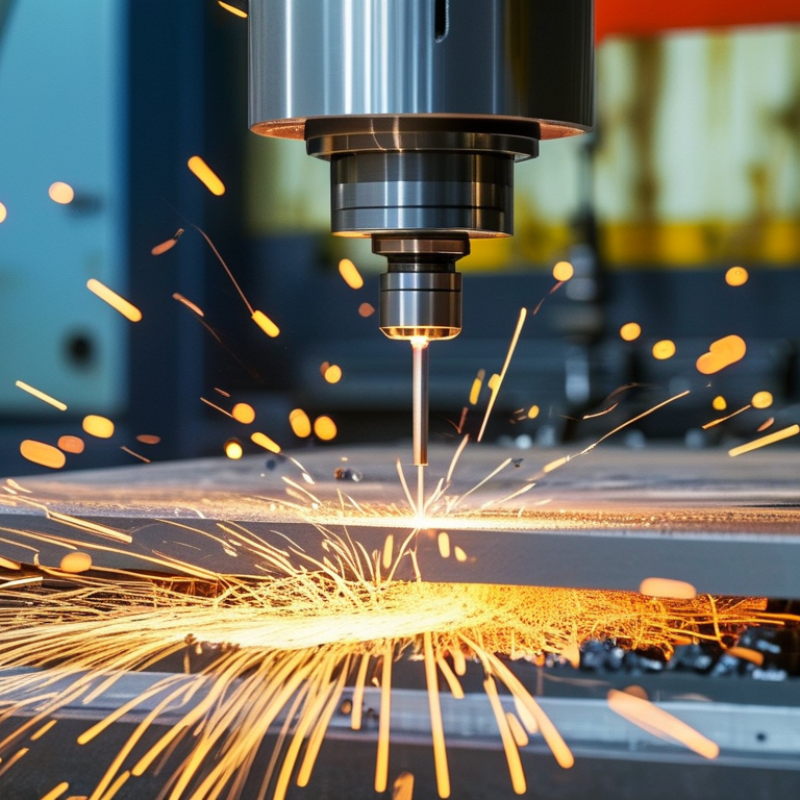
Current State of High Precision Machining Technology
High precision machining technology has evolved significantly, yet it faces numerous challenges. Today's industry demands accuracy in micro-machining, which requires advanced tools and methods. Many companies are investing in high-speed spindles and sophisticated software to meet these needs. However, not all manufacturers can keep up with the rapid changes in technology.
Tip: Regularly assess your machining processes. Identify areas for improvement to enhance precision.
Tool wear is another major issue in high precision machining. Parts become less accurate over time. Understanding material properties can help manage this wear. The right balance of speed and feed enhances longevity and precision.
Tip: Train operators on tool maintenance. Knowledgeable staff can significantly reduce errors.
Furthermore, machine calibration is critical for maintaining accuracy. Many firms overlook this process, leading to inconsistencies. Emphasizing regular calibration checks can mitigate these risks.
Tip: Schedule routine calibration maintenance. Keeping machines aligned ensures better output quality.
Key Factors Affecting Precision in Machining Processes
Precision in machining processes is increasingly vital across various industries. A recent report from the Machining Technology Institute states that nearly 45% of machining errors stem from tooling wear. This underscores the importance of tool maintenance and the selection of high-quality materials. When tools become dull, they affect the accuracy of the machined parts. Monitoring tool condition can significantly enhance output quality.
Another key factor is the stability of the machining environment. Temperature fluctuations and vibrations can lead to defects in components. Studies show that even minor temperature changes can cause material expansion, affecting tolerances by up to 10%. Ensuring a stable environment with adequate temperature control can mitigate these issues.
**Tips**: Always inspect tools before use. Regular checks can prevent costly errors. Consider vibration-damping equipment to maintain machine stability. These proactive measures can help achieve higher precision and reduce downtime, contributing to overall efficiency. Balancing technology and human oversight remains crucial. The quest for precision in machining will continue, with room for improvement in many areas.
What Challenges Exist in High Precision Machining Today?
| Challenge |
Description |
Impact Factor |
Possible Solutions |
| Tool Wear |
Impact of tool degradation over time affecting tolerance and finish. |
High |
Regular tool inspection and material selection. |
| Thermal Distortion |
Heat generated during machining can lead to part deformation. |
Moderate |
Enhanced cooling systems and temperature monitoring. |
| Vibration |
Unwanted oscillations affecting precision and surface quality. |
High |
Rigidity improvement of fixtures and machine setup. |
| Alignment Issues |
Misalignment of machine components leading to inaccuracies. |
High |
Regular calibration and alignment checks. |
| Material Variability |
Inconsistencies in material properties can affect machining outcomes. |
Moderate |
Consistent sourcing and testing of raw materials. |
Common Challenges in Material Selection for Precision Machining
Precision machining faces significant challenges, particularly in material selection. The right material affects performance, durability, and cost. However, inherent differences in materials can complicate this decision. For instance, stainless steel offers corrosion resistance but can be difficult to machine. In contrast, aluminum is easier to work with but may lack the strength needed for certain applications.
Another challenge is the variability in material properties. Two batches of the same material might behave differently due to sourcing or processing methods. Machinists often must adapt their techniques to accommodate these inconsistencies. Additionally, the rise of advanced composites introduces further complexity. These materials can improve performance but require specialized tools and methods for successful machining.
Quality control is critical in addressing these challenges. Manufacturers must implement rigorous testing and feedback loops. Understanding the limitations of each material will aid machinists in making informed choices. Balancing the desired precision with material behavior and machinability is an ongoing struggle. Reflection on past experiences and continuous learning can help navigate these complex issues.
Impact of Tool Wear on Machining Accuracy and Efficiency
Tool wear significantly impacts machining accuracy and efficiency. As cutting tools degrade, they lose their sharpness and cutting edge. This results in larger tolerances and less precise dimensions of the machined parts. Even a slight deviation can lead to costly rework or scrap.
Monitoring tool wear is crucial for maintaining machining quality. Advanced sensors and data analytics are often employed to track the condition of tools in real-time. However, the challenge lies in the variability of wear rates based on cutting parameters and material types. This complexity requires careful observation and adaptation during machining processes.
In practice, many machinists underestimate the impact of repeated tool usage. They might continue using a worn tool longer than ideal, leading to more significant issues. This oversight can affect production schedules and ultimately a company's bottom line. Finding a balance between tool longevity and machining precision is an ongoing challenge in high precision machining.
Impact of Tool Wear on Machining Accuracy and Efficiency
This chart illustrates the relationship between tool wear percentage and both machining accuracy (measured in micrometers) and efficiency (measured in production time in hours). As tool wear increases, accuracy decreases while production time increases, highlighting the challenges in maintaining high precision in machining.
Technological Innovations to Overcome Precision Machining Challenges
High precision machining faces numerous challenges today. One significant hurdle is the demand for tighter tolerances. Manufacturers are expected to produce parts with extreme accuracy. This requires advanced techniques and tools, which can be costly and complex to implement. Some methods still struggle to meet these rigorous standards consistently.
Technological innovations offer solutions. For instance, additive manufacturing enables the creation of intricate designs that traditional methods cannot achieve. This technology reduces material waste and improves efficiency. However, it is still evolving, and the reliability of produced parts can vary. Moreover, another innovative approach is the integration of artificial intelligence in machining processes. AI can optimize workflows and anticipate equipment failures, enhancing precision. Yet, reliance on AI requires skilled personnel to interpret data and manage systems effectively.
Despite these advancements, challenges persist. The rapid pace of innovation can lead to a knowledge gap among workers. Training is essential to keep teams updated. Additionally, transitioning to new technologies is often met with resistance. Companies must navigate these concerns to fully leverage the benefits of modern machining methods. Balancing innovation with practical experience remains crucial in overcoming today’s precision machining hurdles.
Conclusion
In exploring the topic of what challenges exist in high precision machining, the current landscape reveals both advancements and persistent hurdles. The state of high precision machining technology has evolved significantly, yet key factors still affect overall precision, including the intricacies of machining processes and the selection of appropriate materials.
Common challenges arise from tool wear, which can significantly impact machining accuracy and efficiency. Additionally, identifying the right materials poses a significant difficulty, as the properties of different materials can complicate the precision machining process. However, ongoing technological innovations aim to address these challenges, leading to more effective solutions that enhance precision and performance in machining environments.

 Nuplanta CNC