The integration of automation into CNC machining is a game changer. It redefines production methods and enhances efficiency. Today, manufacturers seek ways to improve processes and reduce costs. This is where understanding how is automation transforming CNC machining becomes crucial.
Automation streamlines workflows. It minimizes human error and increases precision. Machines equipped with advanced technology operate around the clock. They produce complex parts with unprecedented accuracy. However, the transition to automation is not without challenges. Training workers to adapt is essential. There is a concern about job displacement as machines take over repetitive tasks.
Yet, the benefits often outweigh the drawbacks. Enhanced productivity can lead to growth and new job creation in tech-driven roles. As industries evolve, grappling with these changes will shape the future landscape of CNC machining. Embracing automation could very well be the key to staying competitive in an ever-changing market.
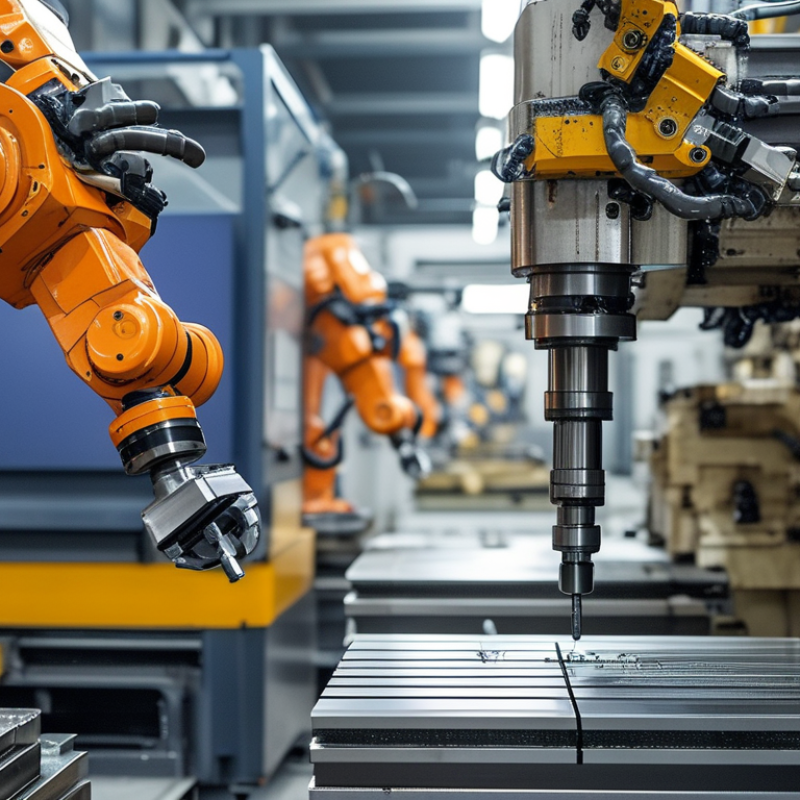
Automation is not just a trend; it is reshaping CNC machining dramatically. With the introduction of automated systems, the efficiency of machining processes has surged. Operators report a noticeable reduction in cycle times. Shorter production runs become feasible without compromising quality. The need for manual intervention decreases, allowing time for complex tasks that require human oversight.
Precision gains are another critical benefit. Automated CNC machines consistently deliver high-quality outputs. These machines operate with minimal error, compared to manual operations. Variability is reduced significantly, which is crucial in industries requiring stringent quality standards. However, challenges remain. High initial setup costs can be a barrier for smaller operations. Training staff to manage and maintain these systems is also necessary. There are debates about the skill shifts required in the workforce.
Still, the integration of automation in CNC machining seems poised for growth. Companies experience fewer human errors and greater consistency. Despite the need for skilled workers, the long-term operational benefits may outweigh these challenges. Ongoing evaluations are essential to ensure seamless transitions into automation. Adapting processes and procedures can enhance overall effectiveness in the competitive market.
| Benefit | Description | Impact on Efficiency | Impact on Precision |
|---|---|---|---|
| Increased Speed | Automation allows for faster machining cycles, reducing production time. | 30% faster production times | Maintains consistent quality |
| Cost Reduction | Lower labor costs and reduced waste enhance overall profitability. | Reduction of labor costs by 20% | Less material waste results in better cost efficiency |
| Enhanced Flexibility | Automation enables quick changes in production without lengthy setup times. | Allows for on-demand production | Consistently replicable processes |
| Improved Data Collection | Automated systems can collect and analyze data for better decision-making. | Utilizes analytics for performance improvement | Facilitates quality control processes |
| Workplace Safety | Automation reduces human intervention in hazardous processes, improving safety. | Reduces workplace accidents | N/A |
: Automation enhances efficiency and precision in CNC machining, reducing cycle times and manual intervention.
It allows shorter production runs without compromising quality, making flexibility more achievable.
High initial setup costs and the need for staff training can be significant barriers for smaller operations.
Industry 4.0 integrates smart technology, enabling real-time monitoring and predictive maintenance, which improves operational efficiency.
Robotics enhances speed and precision while requiring workers to reskill to adapt to these technological changes.
Cybersecurity risks grow with connectivity, necessitating balance between innovation and data protection.
Start small by automating specific processes and gather feedback before scaling up.
Continuous assessment ensures processes align with production needs and maximizes the benefits of automation.
Comfort with automation varies among employees; training is essential for a smooth transition.
AI analyzes operations, predicts failures, and prompts maintenance, preventing costly disruptions.
Automation is transforming CNC machining by significantly enhancing efficiency and precision in manufacturing processes. With the advent of Industry 4.0, the integration of smart technologies is driving trends and growth in CNC machining automation. Key technologies such as robotics and artificial intelligence are at the forefront, facilitating faster production times and greater accuracy, thereby reducing operational costs and boosting productivity.
Statistical insights reveal that automated CNC systems lead to remarkable cost reductions and improved output rates. However, challenges remain in integrating these advanced automated solutions into existing CNC workflows. Addressing these hurdles requires strategic planning and innovation to ensure a seamless transition, ultimately leading to a more streamlined and effective machining process in the evolving industrial landscape.

 Nuplanta CNC